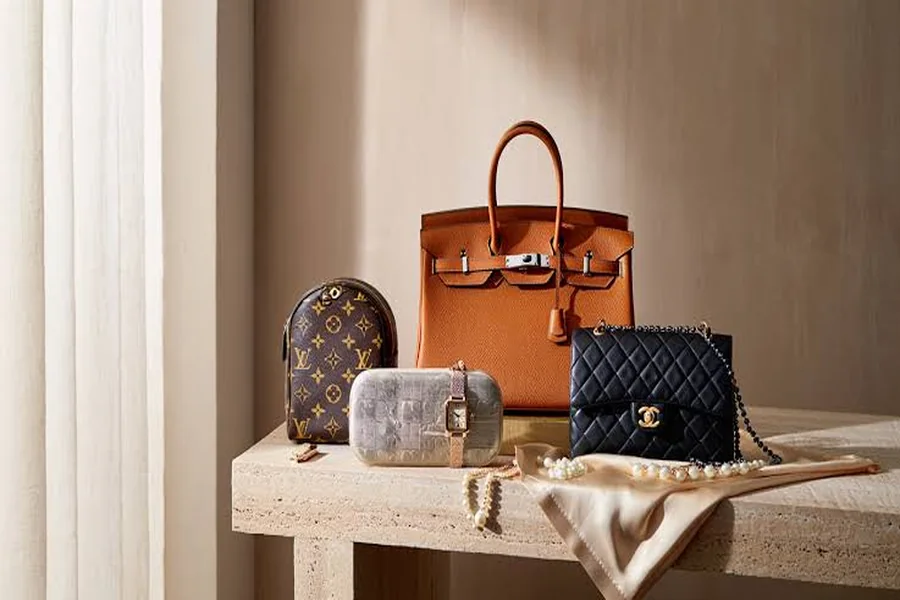
I watched a friend accept $400 for a Chanel flap she’d carried maybe nine times. She needed rent money, a guy on OfferUp told her the market was soft, and she took it. That bag resells for several times that amount. If you’re sitting on a closet of designer bags you never use, and you want cash today, here’s how to sell a pre-owned luxury handbag without handing a stranger your equity. Below, how to price it, prep it, and pick the right buyer for your situation.
What your bag is actually worth
Forget the price tag. Resale value runs on a different math: brand heat, model demand, condition, color, hardware, and whether you still have the box, dust bag, and authenticity card. A black classic flap holds value. A neon green limited edition might not, no matter what you paid.
Check sold listings, not asking prices. Anyone can list a bag for $4,000. What matters is what buyers actually paid in the last 90 days. Sort by “sold” on eBay, scan The RealReal’s completed sales, and look at what comparable bags moved for on consignment sites. Ten minutes of that beats any gut feeling you have about your bag’s worth.
Condition is the lever you control. Moisture and sunlight wreck leather over time, which is why storage advice from the Federal Trade Commission about how products are described matters here: never describe a bag as “like new” if there’s wear on the corners. Buyers inspect hard, and a mismatch between your description and reality kills the deal or the price.
The two numbers you need before you talk to anyone
Write down your floor (the lowest offer you’d accept without regret) and your target (a realistic price based on sold comps). Everything else is negotiation theater. Knowing your floor means you never cave because someone’s persistent.
Prep it like you’re presenting, not selling
Clean the leather, polish the hardware, stuff the bag so it holds shape, and shoot photos in natural light against a plain background. Eight to twelve shots: front, back, both sides, bottom, interior, hardware close-ups, and any flaws. Disclosure builds trust, and trust is what separates a fast sale from a bag that sits for six months.
Gather everything that came with it. Box, dust bag, receipt, authenticity card, strap, clochette. Full sets command more because buyers know paperwork supports authenticity. Missing pieces? Mention it upfront. Buyers will ask anyway.
Where should you actually sell it?
Depends on how fast you need cash and how much work you’ll tolerate.
- Resale marketplaces (eBay, Poshmark, Mercari): highest potential price, most hassle. You handle photos, shipping, returns, and scammers.
- Consignment boutiques: they do the work for a cut, usually 20 to 40 percent, and you wait.
- Local luxury resale buyers: fastest cash, one conversation, payment the same day.
- Peer-to-peer apps: decent prices, endless lowball messages.
If you have three bags and no patience, the fast route wins even with a lower per-bag number. If you have one rare Hermès and all the time in the world, list it yourself.
A concrete scenario: what actually happens in a store
Let’s say you walk in with a Louis Vuitton Speedy, a Gucci Marmont, and a Celine box bag. A buyer inspects each one under a lamp, flips the interior, checks the date code, runs a UV light over the stitching, and hands you a written offer within twenty minutes.
The Louis Vuitton gets a strong number because canvas wears well and it’s a perennially in-demand model. The Gucci gets less because that specific colorway is common on the resale market. The Celine surprises you because condition is excellent and the model is having a moment. You can accept all three offers, decline one, or walk. That’s the whole point of getting a real quote in person: you keep the decision, and you’re not committed until you say yes.
Some buyers specialize. If you want to sell your pre-owned luxury handbag, choose a buyer who deals in the specific brand you’re holding. A shop that moves Chanel daily will quote Chanel more aggressively than a general pawn operation.
The red flags that cost people thousands
Payment in cash only, no receipt, no business address. Sudden urgency. Offers that change after authentication. Buyers who won’t let you photograph the offer sheet.
Authenticity is the other trap. Counterfeits are illegal to traffic, and United States law treats selling them as a trademark violation, which is part of why reputable buyers verify serial numbers, date codes, and stitching patterns before quoting. Watch how the buyer inspects your bag. If they don’t look inside, walk.
A quick rule I’d apply: any buyer who won’t let you keep a copy of the offer and the receipt for the sale isn’t a buyer I’d use. The paperwork protects you if the item is later disputed.
Timing matters more than you think
Resale prices shift with economic conditions and consumer spending. The U.S. luxury resale market has grown fast, and according to the Bureau of Labor Statistics, employment and spending patterns in retail categories move with the broader economy, which means a slow month can soften what a buyer will pay. Don’t sell under pressure if you can wait a quarter. But don’t hold a bag for two years thinking it’ll double either. Bags aren’t collectibles in the way watches are, and leather degrades even in perfect storage.
A five-step checklist to run before you sell
- Pull sold comps for your exact model and color. Write down your floor and target.
- Photograph flaws honestly, in natural light, from every angle.
- Collect all paperwork, dust bags, and accessories.
- Get at least two quotes from buyers who specialize in your brand.
- Ask for a written offer, a receipt, and same-day payment terms.
That’s it. No magic, no waiting on a “maybe” buyer who’s stringing you along for two weeks and then ghosts.
One last thing about getting paid
Payment terms are where deals quietly fall apart. Cash is straightforward. Bank transfer clears in a day. Peer-to-peer payment apps can be reversed in a dispute, so treat those with suspicion for anything over a few hundred dollars. Ask exactly how and when you’ll be paid, and get it in writing before you hand the bag over.
The Department of the Interior oversees consumer protections tied to how sales of goods are handled in certain jurisdictions, and while that’s not luxury specific, it points to a broader truth: legitimate transactions are documented transactions. Reputable buyers understand that and don’t push back.
Your bag is worth more than you think. Do the ten minutes of comps research, prep it properly, and get a real offer from someone who knows the brand. What’s sitting in your closet right now that you haven’t carried in a year?