
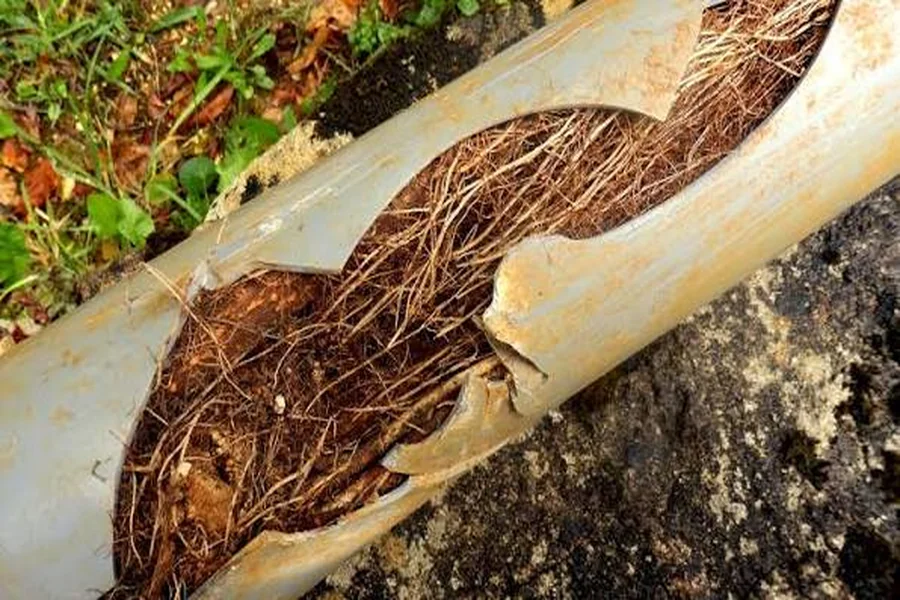
The first sign is usually a toilet that gurgles when you run the washing machine. You ignore it for a week. Then the basement floor drain backs up on a Sunday night.
I have walked plenty of yards with homeowners staring at a wet patch of grass next to a stump, asking the same question: why does this keep happening? The answer almost always comes back to the intersection of warm water, nutrient-rich waste, and a root system that has been quietly hunting that moisture for years. You can fix the pipe. You cannot move the tree. Understanding that tension is the whole game.
What Actually Draws Roots Into a Pipe
A sewer line carries warm water and organic waste. That combination creates condensation on the outside of the pipe, and it seeps into the soil right around the joints. Roots grow toward moisture and oxygen. A crack the width of a fingernail becomes an entry point within a single growing season.
Older clay tile and cast iron lines are especially vulnerable because their joints were never watertight to begin with. Once a root finds its way in, it expands. Hair-thin rootlets turn into a mat that catches toilet paper, grease, and soap scum. That mat becomes a dam. Water pools behind it until it has nowhere to go but your basement.
Here is the part people miss: the root is rarely the root cause, so to speak. It is the symptom of a pipe that was already compromised. According to the Environmental Protection Agency, aging and deteriorating wastewater infrastructure is a widespread national concern, and the same wear applies to the private lateral running from your house to the main. If your line is forty years old, you are not fighting the tree. You are fighting the decades.
How to Inspect Your Own Yard Before You Call Anyone
You do not need a camera to catch most of this. Grab a flashlight, walk your property line where the sewer runs, and work through these five checks. It takes twenty minutes and saves you from paying for an emergency call at midnight.
- Look for the green strip. A stretch of grass that is noticeably greener, lusher, or taller than the rest of the lawn often sits directly over a leaking line. Extra water plus extra nutrients equals extra growth.
- Find the soggy or sunken spot. Soft ground, a shallow depression, or standing water after a dry week points to a leak or a collapsed section.
- Smell near the floor drain. Sewage odor in the basement, especially after you run a load of laundry, suggests a blockage downstream.
- Test multiple fixtures. Flush the upstairs toilet and watch the basement drain. Run the kitchen sink and listen at the laundry tub. If several fixtures misbehave at once, the problem is in the main line, not the fixture.
- Note the trees. Any tree within roughly ten feet of the lateral deserves a mention when you talk to a contractor. Species matters too. Willows, maples, and sycamores are aggressive seekers.
Write down what you find. A plumber who hears “multiple slow drains plus a soft spot six feet from the cleanout” is going to solve your problem faster than one who hears “it’s backing up.”
Camera Inspections and Why They Change the Conversation
A video camera pushed through the cleanout gives you actual footage of the inside of the pipe. I would not approve any repair without one. It’s the difference between guessing and knowing, and it protects you from paying for a fix that addresses the wrong section.
The camera tells you four things: where the blockage sits, what it’s made of, whether the pipe has cracked or shifted, and whether you’re dealing with roots, grease, or a collapse. That last distinction matters enormously because those problems have completely different price tags.
If a contractor wants to dig before running a camera, get a second opinion. Locating equipment should map the pipe path first so nobody digs blindly across your landscaping.
Repair Options, Ranked by What I Would Actually Choose
Once you know the condition of the pipe, you’re choosing between three approaches. Here’s how they stack up, and where I land.
| Method | Best For | What You Should Know |
| Mechanical cleaning | Roots and buildup in a structurally sound pipe | Fast and less expensive, but roots regrow. Plan on repeat service. |
| Trenchless lining | Cracks and joint failures with minimal digging | Creates a new pipe inside the old one. Keeps your yard and driveway intact. |
| Traditional excavation | Collapsed or severely misaligned sections | Most invasive, but sometimes the only honest answer. |
My honest preference: if the pipe is still sound and roots are the only issue, cutting them out and treating the line is enough, and you should budget for it as recurring maintenance rather than a one-time cure. If the pipe itself is failing, lining is usually worth the extra cost because it ends the cycle.
For a closer look at how these methods differ, the American Society of Plumbing Engineers maintains resources on piping systems and repair standards that go deeper than any sales pitch will.
Prevention That Doesn’t Involve Cutting Down the Tree
You can keep mature trees and a working sewer at the same time. It just takes a few habits.
Skip the chemical root killers you see at the hardware store. They can damage the pipe lining and they rarely solve the problem. Instead, slow everything else that feeds a blockage. Don’t pour cooking grease down the drain. Use a strainer in the kitchen sink. Skip the “flushable” wipes, which are not flushable, no matter what the package says.
If you have recurring root trouble, ask about periodic maintenance on a schedule tied to your tree species and pipe material. Every twelve to eighteen months is a reasonable starting point for a known problem line. The goal is to catch the mat before it becomes a dam.
And if you have just bought a house with old trees and a mature yard, get a camera inspection before you move in. It’s the cheapest insurance you’ll ever buy on an older property.
When You Should Stop DIYing It
Plunging and snaking have limits. If you’ve cleared a drain twice in one month, the blockage isn’t in the fixture. It’s in the main line, and no amount of store-bought drain cleaner will fix a cracked pipe or a root mat. According to the Bureau of Labor Statistics, plumbing and related work remains a skilled trade with steady demand, and that skill is exactly what you’re paying for when the problem is underground. There’s a point where a professional sewer line repair is simply the cheaper decision, and it usually arrives about the third time you snake the same drain.
What to Do This Weekend
Walk your yard. Check the green strip, the soggy spots, and the smell near your floor drains. Write down what you find and how many fixtures are affected. Then decide: maintenance, inspection, or emergency.
Most sewer problems give you weeks of warning. The homeowners who avoid the four-figure emergency are the ones who treated the gurgle as information instead of noise. Which one are you right now?