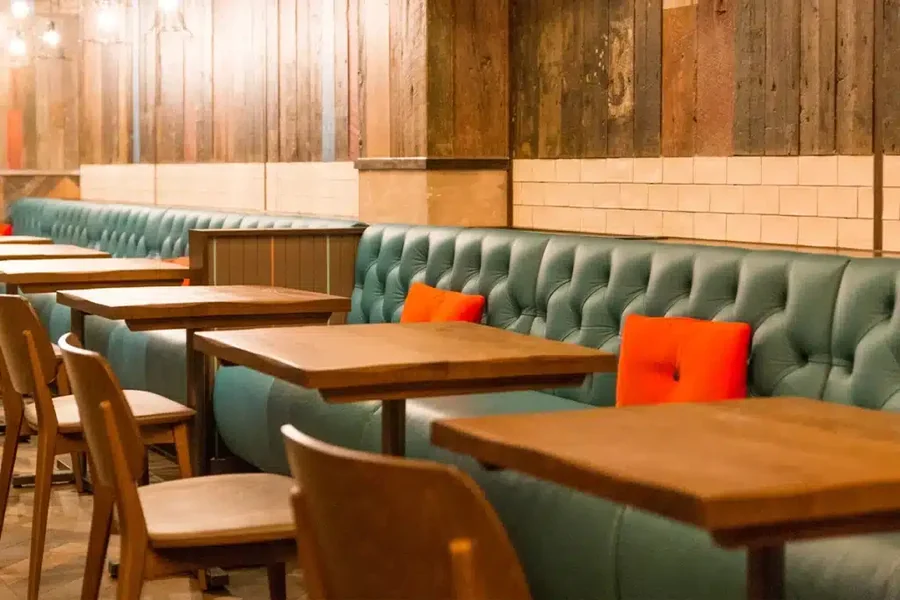
Your booths get judged in the first three seconds. Before a host says a word, before anyone looks at a menu, a guest has already clocked the cracked vinyl under their forearms and the flattened cushion behind their back. I sat in a corner booth at a Gulf Coast oyster house last spring with a seam splitting under one thigh, and I said something about it out loud before the oysters ever showed up. Guests notice. They just rarely tell you.
That is the strange economics of restaurant seating. A dining room full of booths costs more to replace than most owners want to think about, yet the wear sneaks up one sun-faded panel and one worn seam at a time. Smart operators treat it as scheduled upkeep instead of an emergency. That’s why a good restaurant upholstery service in Southern Alabama tends to be an appointment on the calendar, not a panic call two days before the health inspection.
Here’s what actually preserves seating, what quietly destroys it, and how to tell the difference between a repair, a rebuild, and a write-off. Apply the same replace-only-the-panel instinct to your booths that you already use for a scratched dining table, and you’ll spend a fraction of the money. Restaurant booth care is straightforward once you see the whole picture.
Why booths fail before they should
Seating doesn’t die from age. It dies from a handful of pressures working together, and most of them have nothing to do with how much money you spent on the booth in the first place.
- Sun through west-facing windows, which fades fabric and cooks vinyl until it turns brittle and stiff.
- Sanitizer and degreaser sprayed directly on seams, a daily habit in nearly every kitchen that shortens upholstery life.
- Heavy turnover, since the same four seats carry three times the traffic of a chair by the wall.
- Flat cushions with the foam crushed under years of the same posture.
- Punctures from keys, belt buckles, and the occasional dropped fork.
Two of those you can fix with a spray bottle and a window film. The other three are the ones that send an owner hunting for a repair crew.
How long should a restaurant booth last?
That depends on traffic, sun exposure, and how often the upholstery gets wet. A booth in a slow lunch spot on a shaded side of the building can go eight or ten years on one set of cushions. A busy dinner spot with a glass wall facing the afternoon sun gets maybe half that before seams start splitting and the fabric goes chalky to the touch.
I would rather see owners work backward from a target than guess. If your lease runs five years and your seating is already three years old, budget for at least one repair cycle before you move out. That single assumption saves more money than any coupon on new furniture ever will.
Where the money goes when you replace instead of repair
Full replacement is the expensive path, and it is expensive in ways owners forget. There’s the furniture itself, then freight, then the labor to yank old booths out and haul new ones in, then the lost covers while that happens.
Commercial foodservice sits inside a massive slice of the American economy. According to the National Restaurant Association, restaurants and foodservice operations together form one of the largest private-sector employers in the country. Replacement cycle spending inside that footprint is enormous, which says a lot about how many operators are paying for new booths when a repair would have lasted years.
What a repair crew actually does to your booth
Good technicians don’t pull your booths out of the dining room. They work in place, which is the whole point, because the dining room has to reopen for dinner service either way. The sequence usually looks like this.
- Every panel gets tested by hand and eye, and the crew separates recoverable damage from panels that are past saving.
- Cleaning and prep. Oils from skin, food, and spray cleaner get pulled out of the surface. Skip this and the repair material won’t bond.
- Color matching. Vinyl and leather dyes get mixed on site until they match the surrounding upholstery, which matters more than most owners expect.
- Fill and seal. Tears, punctures, and split seams get filled, then textured, then sealed so the patch blends instead of shouting.
- Reassemble and inspect. Backs, bases, and cushions go back in, and the crew walks the room looking for anything missed.
Foam is the part owners forget to ask about. If the cushion under that cracked cover is compressed, a new cover looks wrong within months. Ask whoever you hire to check the foam, not just the surface. I’d push for that in writing.
The sun and salt problem along the Gulf Coast
Coastal dining rooms get hit harder than inland ones, and it isn’t subtle. UV exposure breaks down vinyl at the surface first, which is why the booths closest to the windows go first while the ones near the kitchen still look new. Combine that with years of air conditioning running hard, drying interior materials further, and upholstery takes a beating a mountain-town diner never sees.
There’s a tourism layer on top of the UV problem. International visitors are a major, well-documented piece of the American travel market, and coastal destinations with beach access pull a meaningful share of them. The U.S. Department of Homeland Security manages the visa waiver and travel authorization program that governs many of those arrivals. Heavy seasonal traffic shows up on your seating as accelerated wear on the same four or five booths that face the water.
Two practical moves for coastal dining rooms. First, rotate seating assignments when you can, since the booths by the window shouldn’t be the only ones hosting every party. Second, clean with a dedicated vinyl-safe product and skip the all-purpose spray that strips the protective coating. That coating is what stands between your upholstery and the sun.
A decision sheet for repairs versus replacement
| Situation | Best first move | Why |
| One torn panel, frame solid | Schedule a repair visit | Panel-level fix avoids new furniture entirely |
| Widespread fading, no tears | Clean and re-dye | Restores color across the whole room |
| Cushions flat, covers intact | Replace foam | Cheapest comfort fix by far |
| Splitting seams along every booth | Full recover | Seam failure across all seating signals end of cycle |
| Rot or a cracked frame | Replace those units only | Structural problems aren’t upholstery problems |
Print that table or keep it somewhere your manager can see it. Most repair calls I’ve watched fall squarely into the first three rows, and those rows are cheap.
What to ask before you hire anyone
Ask whether they work on site, because a crew that wants to load your booths onto a truck is quoting you a different business. Ask about color matching and how they verify it. Ask what happens if the repair fails within a season. Ask about the foam.
The labor picture supports doing this sooner rather than later. The Bureau of Labor Statistics has documented sustained job growth across the broader service sector, and furniture repair and related trades draw on the same labor pool. Skilled hands get booked further out in busy seasons, which is exactly when your dining room is full.
One last thing to ask: whether they’ve worked in a kitchen that was open. A technician who can work around dinner prep, tape off a section of dining room, and finish before the first seating is worth more than one who quotes lower and needs the room cleared for two days.
None of this is complicated, but it does require attention before the seams split rather than after. Walk your dining room this week and press a thumb into every cushion you pass. If anything gives, you already know your next move. If you want a second opinion on what’s repairable, get one from someone who works in dining rooms for a living rather than someone selling furniture.