
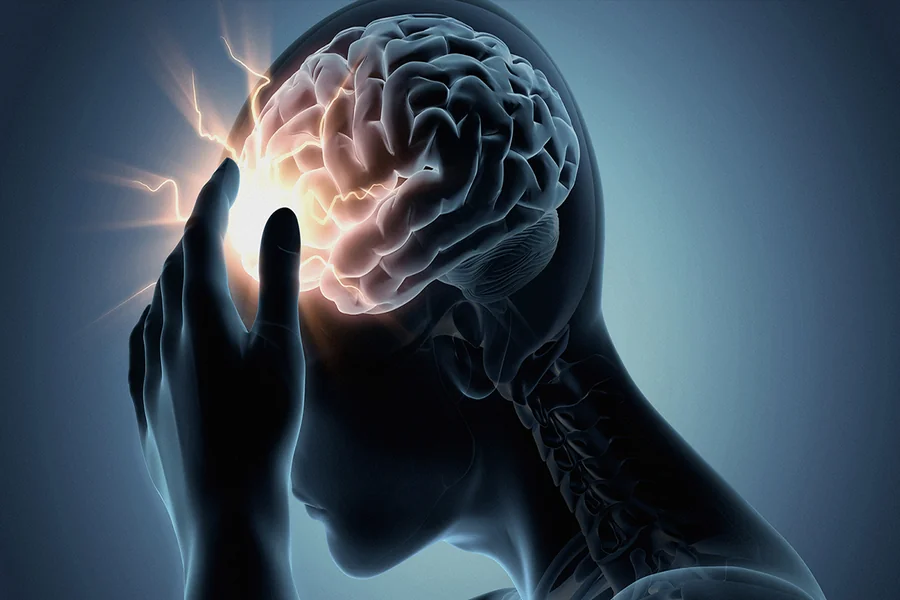
A blow to the head does not always cause immediate pain, confusion, or loss of consciousness. After a fall, sports injury, or collision, someone may appear normal while experiencing changes that point to a traumatic brain injury (TBI). Recognizing these warning signs early can help people seek medical care and understand their options after a brain injury. Even symptoms that seem minor deserve attention because brain injuries can affect memory, balance, mood, and daily activities.
Why Brain Injury Symptoms Can Be Difficult to Recognize
A traumatic brain injury occurs when a blow, bump, or jolt to the head, or a forceful movement of the body, disrupts normal brain function. A concussion is one type of TBI, and it does not always involve a visible wound or a blackout.
Symptoms vary from person to person. Some appear immediately, while others develop over the following hours or days. People may also overlook changes because they feel tired, assume they are stressed, or believe the accident was not serious enough to cause lasting harm.
According to the Centers for Disease Control and Prevention, symptoms can affect how a person feels, thinks, acts, and sleeps. Knowing what to watch for makes it easier to recognize when medical attention is needed.
Early Signs of Traumatic Brain Injury That People Often Miss
1. Headaches That Seem Minor at First
A mild headache after an accident may seem like a normal response to stress or physical strain. However, a headache can also be an early sign of a concussion or another brain injury.
Pay attention to headaches that begin after an impact, return repeatedly, or interfere with normal activities. The location and intensity of the pain can vary, so a person should not dismiss a headache simply because it is manageable.
A headache that becomes severe or progressively worse requires urgent medical attention, especially when accompanied by vomiting, confusion, weakness, or unusual drowsiness.
2. Difficulty Remembering Recent Events
Memory problems can be subtle. Someone might forget a conversation, struggle to recall the moments surrounding an accident, or repeatedly ask the same question.
These changes may appear minor, particularly when the person can still speak clearly and recognize familiar people. However, trouble forming new memories or recalling recent events can indicate that the brain has been affected.
Family members and coworkers may notice these changes before the injured person does. Keeping track of unusual forgetfulness can help a healthcare professional understand what has changed since the incident.
3. Dizziness and Balance Problems
Feeling unsteady after an accident is another symptom that can go unnoticed. A person may feel lightheaded when standing, have trouble walking in a straight line, or need extra support when moving around.
Some people experience dizziness only when turning their heads or changing positions. Others notice that ordinary activities, such as climbing stairs, suddenly feel more difficult.
Balance problems can increase the risk of another fall. Anyone who develops dizziness or coordination difficulties after a head injury should seek medical evaluation rather than assuming the symptoms will disappear on their own.
4. Sensitivity to Light and Noise
Bright screens, loud conversations, traffic sounds, or ordinary indoor lighting may become uncomfortable after a brain injury. Someone might develop a headache while using a computer or feel overwhelmed in a crowded room.
These reactions are easy to mistake for eye strain, fatigue, or stress. However, increased sensitivity to light and sound is a recognized concussion symptom.
If these problems begin after an impact, it is worth discussing them with a healthcare professional. Changes in how a person tolerates everyday surroundings can provide useful clues about their recovery.
5. Unusual Mood Changes or Irritability
A brain injury can affect emotional responses as well as physical abilities. Someone who is usually patient may become easily frustrated, anxious, tearful, or unusually quiet.
Friends and family members may attribute these changes to the shock of an accident. Emotional stress can certainly play a role, but a sudden shift in behavior after a head injury should not be ignored.
Mood changes may occur alongside headaches, sleep disturbances, or difficulty concentrating. Recording when these changes began and how often they occur can help a healthcare professional assess the situation.
6. Trouble Concentrating or Thinking Clearly
A person may return to work or school and discover that familiar tasks take longer than usual. Reading a page, following instructions, remembering appointments, or completing a routine assignment may require extra effort.
Some people describe this feeling as mental fog. They may lose track of conversations, become distracted easily, or struggle to make simple decisions.
Because these problems are not always visible, others may assume the person is careless or unmotivated. In reality, difficulty concentrating can be a sign of a brain injury and may affect everyday responsibilities.
7. Changes in Sleep Patterns
Sleep can also change after a head injury. A person may feel unusually tired, sleep longer than normal, struggle to fall asleep, or wake up repeatedly during the night.
These symptoms can be mistaken for the effects of a busy schedule or emotional stress. However, new sleep problems following an accident deserve attention, particularly when they occur with other possible TBI symptoms.
A healthcare professional can help determine whether the changes are related to the injury and recommend appropriate steps for recovery.
What to Do When Symptoms Appear
Anyone who may have sustained a brain injury should seek medical evaluation, even if the initial impact seemed minor. A healthcare professional can review the circumstances, assess symptoms, and determine whether further testing or monitoring is necessary.
Do not rely on the absence of a blackout or visible injury to rule out a concussion. Until a healthcare professional provides guidance, avoid activities that could cause another head impact, and do not drive if dizziness, confusion, or vision problems affect your ability to do so safely.
It can also help to write down symptoms, when they started, and whether they are getting better or worse. A trusted person may notice changes that the injured individual overlooks. Follow medical instructions about rest, returning to work, exercise, and other daily activities.
Know the Emergency Warning Signs
Certain symptoms require immediate emergency medical care. These include a worsening headache that does not go away, repeated vomiting, seizures, slurred speech, new weakness or numbness, increasing confusion, unequal pupil size, or difficulty waking up.
Call emergency services if any of these warning signs develop. Do not wait for symptoms to improve on their own.
More guidance on recognizing and responding to possible brain injuries is available from the National Institute of Neurological Disorders and Stroke.
Why Early Recognition Matters
Recognizing a possible traumatic brain injury is important because symptoms can interfere with work, relationships, physical activity, and independent living. Prompt medical assessment helps identify concerns, guide treatment, and establish a record of symptoms after an accident.
Recovery varies. Many people with mild brain injuries improve over days or weeks, while others experience symptoms for longer. Anyone whose symptoms persist, worsen, or return after resuming normal activities should contact a healthcare professional.
When an injury results from another person’s careless actions, the effects may extend beyond medical treatment. Missed work, rehabilitation costs, and changes in daily life can create additional challenges. Learning about available legal options may help injured people and their families understand what steps they can consider.
Conclusion
The early signs of traumatic brain injury are not always dramatic. Headaches, forgetfulness, dizziness, sensitivity to light, mood changes, concentration problems, and altered sleep patterns can all signal that something is wrong after an accident.
Taking these changes seriously can help people get the care they need before problems are overlooked. When a head injury occurs, pay attention to new symptoms, seek medical advice, and get emergency help for serious warning signs. Early recognition is an important step toward protecting health and supporting recovery.