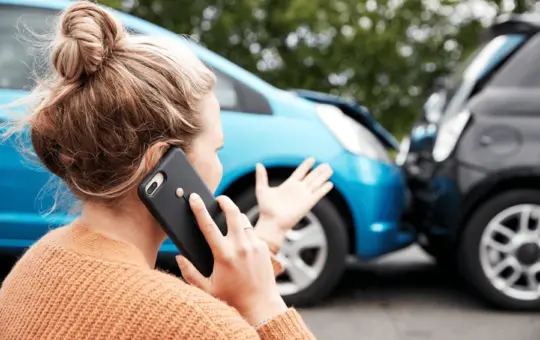
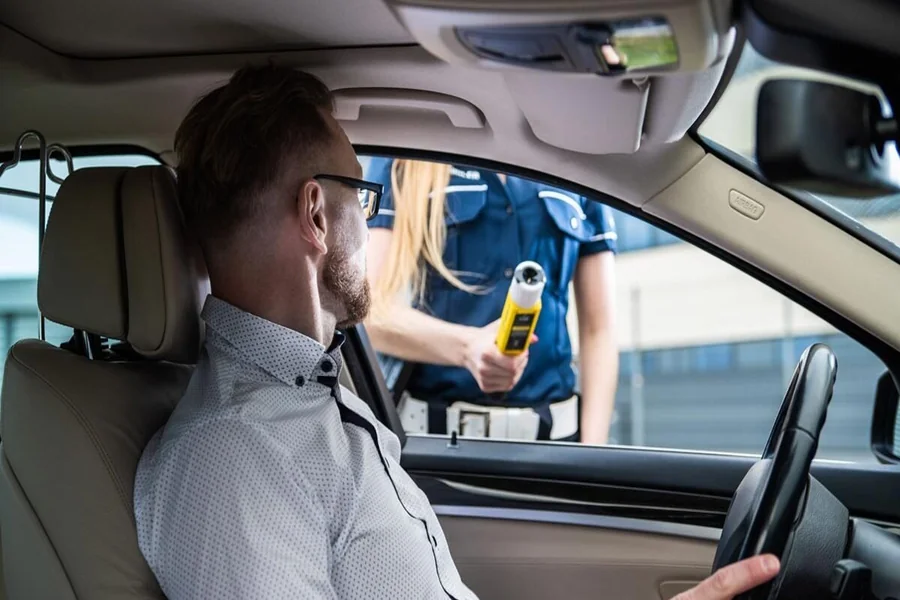
A crash caused by a drunk driver is different from an ordinary accident. It was not a moment of bad luck or a simple misjudgment. Someone chose to drive while impaired, and another person paid the price. For victims and their families, that knowledge often adds anger and frustration on top of pain, missed work, and a growing pile of bills.
Many people assume the most they can expect is help with their hospital costs. In reality, the law often allows for much more, and the options can be wider than people realize. Having legal support for victims of drunk driving crashes can help you understand every possible source of recovery and keep an insurance company from closing your claim before the full cost of your injuries is clear.
A Criminal Case and a Civil Claim Are Two Separate Things
After a drunk driving crash, the impaired driver may be arrested and charged. That criminal case is brought by the government, and its goal is to punish the driver through fines, license penalties, or jail time. While a judge may order restitution in some cases, the criminal process is not designed to fully cover a victim’s losses.
A civil injury claim is different. It is brought by the victim and focuses on paying for the harm the crash caused. The two cases can move forward at the same time, and the outcome of one does not automatically decide the other. A criminal conviction can be strong evidence in a civil claim, but a victim does not need to wait for the criminal case to end before protecting their own rights.
Losses You Can Put a Dollar Amount On
The first category of damages covers costs that can be measured with bills, receipts, and pay records. Medical expenses are the most obvious, but they rarely stop at the emergency room. Surgery, follow-up visits, physical therapy, prescriptions, medical equipment, and future treatment can all be part of a claim.
Lost income matters just as much. If your injuries keep you out of work, the wages you missed can be included. If you cannot return to the same job, or can only work fewer hours, a claim may also account for your reduced ability to earn money in the future. Vehicle repair or replacement, travel to medical appointments, and paying someone to help around the house during recovery are other costs that often get overlooked.
The Human Side of an Injury
Some of the most serious harm from a crash does not come with a receipt. Ongoing pain, trouble sleeping, anxiety about driving, and the loss of hobbies or time with family are real losses. The law often allows victims to seek compensation for pain and suffering, emotional distress, and reduced quality of life.
These damages can be harder to prove, which is why records matter. Notes from doctors and counselors, a personal journal describing daily struggles, and statements from family members about how your life has changed can all help show the true impact of the crash. Many drunk driving victims also experience lasting fear or trauma, and treatment for those effects belongs in the claim too.
Punitive Damages and Holding Drivers Accountable
Most injury claims aim only to repay the victim for losses. Drunk driving cases can be different. Because driving while impaired is so reckless, many states allow juries to award punitive damages. These are meant to punish especially dangerous conduct and discourage others from doing the same thing.
Punitive damages are not available in every case, and the rules for when they apply vary from state to state. Some states set caps on how much can be awarded or require a higher level of proof. An attorney can review the facts, such as the driver’s blood alcohol level or past offenses, and explain whether this type of recovery may be possible.
Looking Beyond the Drunk Driver
One of the biggest problems victims face is that the impaired driver may not have enough insurance to cover serious injuries. That is why it helps to look at every party that might share responsibility. Possible sources of recovery can include:
- The driver’s auto insurance policy, which is usually the starting point for any claim.
- Your own uninsured or underinsured motorist coverage, which can step in when the at-fault driver has little or no insurance.
- A bar, restaurant, or store that served alcohol, since many states have dram shop laws that can hold a business responsible for serving someone who was already visibly drunk or underage.
- A social host, in some states, when an adult provided alcohol to a minor who later caused a crash.
- The owner of the vehicle, if they knowingly lent their car to someone who was impaired.
Not every option applies to every crash, and some come with short deadlines for giving notice. Finding these sources early can make a major difference in how much of your loss is actually covered.
Why Insurance Companies Push for Fast Settlements
Even when the other driver’s impairment is obvious, insurers still work to keep payouts low. An adjuster may call soon after the crash, ask for a recorded statement, or offer a quick check before you know how serious your injuries are. Once a settlement is signed, you usually cannot go back and ask for more, even if you later need surgery or cannot return to work.
Insurers may also try to shift some blame onto the victim, such as claiming they were speeding or not wearing a seat belt. Clear evidence protects you from these arguments. Police reports, breath or blood test results, witness statements, photos, and medical records all help show what really happened and who caused it.
Steps That Strengthen a Claim From the Start
Getting medical care right away and following your treatment plan is the most important step for both your health and your case. Gaps in treatment are often used by insurers to argue that injuries were not serious.
It also helps to request a copy of the crash report, keep every bill and receipt, and save any messages from insurance companies. Avoid posting about the crash or your recovery on social media, since those posts can be taken out of context. Before giving any recorded statement, it is wise to get legal advice first.
For background on how widespread impaired driving is and the safety efforts behind it, the National Highway Traffic Safety Administration’s drunk driving resources offer reliable national information and data.
The Bottom Line for Injured Victims
A drunk driving crash can leave you facing costs that reach far beyond a hospital bill. Lost income, future care, emotional harm, and in some cases punitive damages may all be part of a fair recovery. Additional sources, such as your own coverage or a business that overserved the driver, can also help when the driver’s insurance falls short. Understanding these options early, keeping strong records, and avoiding rushed settlements can help victims recover what they truly need to move forward.