
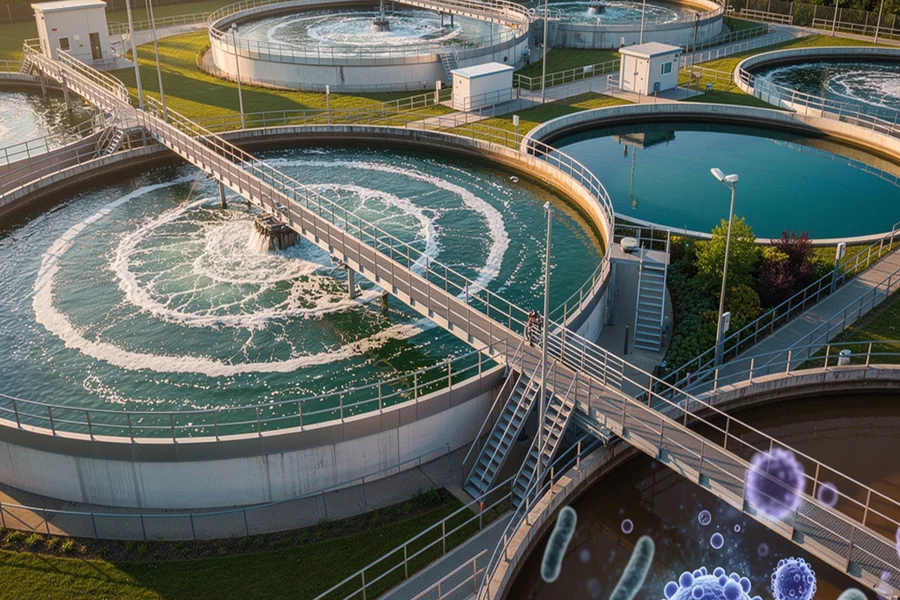
Access to clean, safe drinking water is fundamental to public health, economic growth, and environmental sustainability. Behind every turn of a municipal tap lies an intricate engineering marvel: the modern water treatment plant. These facilities rely on a carefully orchestrated sequence of physical, chemical, and biological processes to transform raw water from rivers, lakes, or underground aquifers into safe, drinkable water. Understanding the primary components of this infrastructure reveals how modern engineering, chemistry, and digital technology work together to safeguard public health.
1. Intake and Screening Systems
The treatment process begins at the intake structure, where water is drawn from natural water sources. Because raw surface water carries debris, the initial barrier consists of coarse and fine screening systems. Typically constructed from durable metal alloys or synthetic mesh, these screens filter out large objects like twigs, leaves, aquatic plants, and trash. Preventing these items from entering the facility protects downstream pumps, valves, and sensitive treatment equipment from potential damage or severe clogging.
2. Coagulation, Flocculation, and Sedimentation
After screening, raw water still contains microscopic suspended particles that give it a cloudy appearance. Because these particles are light enough to remain suspended indefinitely, chemicals known as coagulants—such as aluminum sulfate or ferric chloride—are rapidly mixed into the water. Coagulation neutralizes the electrical charges on suspended particles, allowing them to stick together.
Next, the water flows into flocculation basins, where gentle mechanical paddles stir the mixture. This process encourages tiny particles to aggregate into larger, heavier masses called flocs. The water then moves into large, quiet sedimentation basins or clarifiers. Gravity slowly pulls the heavy flocs to the bottom, forming a layer of sludge that is systematically scraped away. The clarified water at the top flows over weir edges toward the next stage.
3. Multi-Media Filtration
Although sedimentation removes the vast majority of suspended solids, fine particles, residual microbes, and organic matter remain. Filtration serves as the final physical barrier. Modern facilities rely on multi-media filters composed of layered gravel, fine sand, anthracite coal, and activated carbon.
As water percolates downward through these distinct media layers, trapped particles are effectively removed. Activated carbon layers are especially crucial because they adsorb dissolved organic compounds, industrial residues, and taste- or odor-causing chemicals, resulting in polished, crystal-clear water.
4. Chemical Disinfection and Conditioning
Disinfection is perhaps the most essential step for protecting public health, as it destroys harmful microorganisms like bacteria, viruses, and parasites. Modern plants utilize chlorine, chloramines, ultraviolet (UV) radiation, or ozone treatment. UV light and ozone destroy pathogens without introducing residual chemical tastes or harmful disinfection byproducts.
Following disinfection, chemical conditioning adjusts the water’s balance. Adding lime or soda ash corrects acidity, preventing the water from corroding municipal distribution pipes and household plumbing. In many facilities, small amounts of fluoride are also added to support community dental hygiene.
5. Storage, Monitoring, and Distribution Infrastructure
Once fully purified, treated water is transferred into large reservoirs, underground clearwells, or elevated storage towers. Storage infrastructure provides a reliable buffer during periods of peak demand and ensures emergency reserves during power outages or facility maintenance.
To maintain steady operating conditions, operators continuously track reservoir capacity. Installing a precision liquid level sensor inside each tank ensures real-time measurement of fluid depth, preventing overflow while maintaining optimal hydrostatic pressure throughout the distribution network. High-capacity pumps then deliver the pristine water through an extensive network of underground mains directly to end consumers.
6. Automated Control Systems and Waste Management
Modern facilities rely on Supervisory Control and Data Acquisition (SCADA) systems and advanced instrumentation. Automated sensors monitor critical parameters—such as turbidity, pH, flow rate, and chlorine residual—24 hours a day. If readings drift, automated controllers immediately adjust chemical dosage or alter flow paths.
Furthermore, modern plants manage their own waste streams sustainably. Sludge collected during sedimentation undergoes anaerobic digestion to break down organic matter. This process generates biogas, which can be captured to generate clean energy for the facility. Remaining biosolids are dewatered and safely repurposed as agricultural fertilizer or soil amendments.
Conclusion
A modern water treatment plant is a highly sophisticated, multi-stage system designed to deliver safe, reliable drinking water. From physical screening and chemical coagulation to smart distribution monitoring, each component plays an indispensable role in protecting public health and supporting sustainable communities.