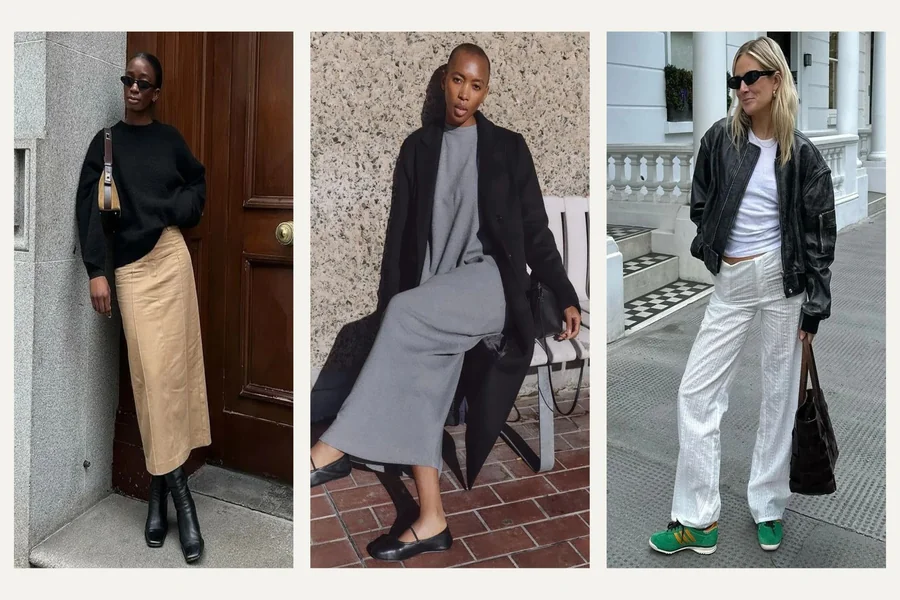
Most wardrobes are built around the same core pieces: a few pairs of jeans, plain T-shirts, neutral sweaters, simple trousers, and a reliable pair of shoes. These items are practical, easy to mix, and hold up across seasons.
The problem is not the clothes themselves. It is that wearing them in the same combinations, day after day, makes getting dressed feel automatic rather than intentional. Personal style is not about buying more, but about making deliberate choices with what is already there.
Start With the Details: Small Changes That Make a Difference
An outfit can shift completely based on the accessories around it. The same jeans-and-shirt combination reads differently with a worn leather belt and a structured tote than it does with a canvas backpack and a simple watch. Neither version is wrong. They just communicate different things.
According to a ThredUP survey, the average consumer owns 103 clothing items but wears only 20% of them regularly. That gap is not just about forgotten pieces at the back of the closet. It reflects how rarely people experiment with what they already own.
Scarves, sunglasses, hats, and interesting bags can shift the tone of a neutral outfit without requiring a new wardrobe. Footwear matters just as much. Swap sneakers for loafers or ankle boots, and the same pair of trousers becomes part of a completely different look. The goal is not to be flashy. It is to choose pieces that reflect something genuine, whether that is a favorite color, a particular material, or an object connected to a real interest.
Experiment With Layers, Textures, and Proportions
Layering adds depth to basic clothing in a way that single pieces rarely achieve on their own. A plain white shirt worn under a chunky knit sweater, or a denim jacket thrown over a simple cotton top, creates visual interest without requiring anything unusual. Simple combinations, done with some thought, go a long way.
Mixing Materials
Combining different textures is one of the most underused tools in everyday dressing. Denim, linen, knitwear, and leather each catch light differently and sit differently on the body. Pairing a soft knit with a structured trouser, or a relaxed linen shirt with a leather bag, creates contrast that makes an outfit look considered rather than thrown together at 7 a.m.
Playing With Proportions
Proportions deserve more attention than they usually get. A slightly oversized jacket worn with slim-fit trousers creates a silhouette that feels intentional. A relaxed, boxy top paired with more fitted jeans follows the same logic. Neither combination requires new purchases. It just requires looking at existing pieces differently and asking whether they balance each other out.
Make Everyday Clothing Your Own With Personalized Designs
A plain T-shirt is one of the most versatile items in any wardrobe. It works under blazers, over skirts, tucked into trousers, or worn loose with jeans. It also happens to be the ideal canvas for something more personal.
When someone can design a shirt with their own graphics, typography, illustrations, or references to things they genuinely care about, a basic wardrobe staple becomes something individual. A customized shirt printed with original artwork, a phrase connected to a hobby, or a layout built around a favorite color palette carries a different kind of presence than anything mass-produced. The design choices, color selection, and layout all reflect the person wearing it rather than a trend cycle. That difference is hard to fake.
Styling is straightforward. It works with classic jeans, under an open button-down, alongside a casual blazer, or tucked into a simple skirt. The shirt does not need to be loud to be effective. Even a subtle graphic or an unexpected color choice makes an outfit feel less generic and more recognizable.
About 37% of 18-24-year-old consumers have personalized an item of clothing, and the appeal extends well beyond that age group. Wearing something that reflects a real interest or a genuine aesthetic preference is a straightforward way to make everyday dressing feel more intentional. Personal style gets more interesting when clothing reflects the person wearing it, not just the options available in a given season.
Use Color More Creatively
Black, white, grey, and beige are popular for good reason. They are easy to combine, and they work across most situations. But a wardrobe built entirely around neutrals can start to feel flat over time.
Introducing color does not mean abandoning what works. Adding a single colorful element to a neutral outfit, such as a bright bag, a patterned scarf, or a bold pair of shoes, is enough to shift the overall impression. Unexpected combinations are worth exploring too. Navy and olive, rust and cream, or different shades of the same color family can all create visual interest without clashing.
There are no strict rules about which colors belong together. The most useful approach is to try combinations that feel instinctively appealing and pay attention to what actually looks good in practice rather than what fashion advice suggests should work.
Give Classic Pieces a Different Purpose
Familiar wardrobe items often have more range than they are given credit for. A button-down shirt can function as a light outer layer, worn open over a plain top. A summer dress can be paired with a thick sweater and boots for cooler weather. A basic white shirt moves between casual and polished depending on what surrounds it.
Looking at existing pieces with fresh eyes is more productive than shopping for replacements. Changing the context in which an item is worn, pairing it with something unexpected or styling it differently than usual, can make it feel like a new addition without spending anything. Wardrobe awareness goes further than a larger clothing budget.
Develop a Signature Style Instead of Following Every Trend
There is a meaningful difference between having a personal style and wearing whatever is current. Trends move quickly, and chasing them consistently tends to produce a wardrobe that feels borrowed rather than owned.
A recognizable personal style usually develops around repeated choices: a particular type of jacket, a consistent color preference, a fondness for interesting footwear, or a tendency toward a certain silhouette. These elements do not need to be deliberate from the start. They often emerge naturally from paying attention to what feels comfortable and looks right over time.
Fashion content, whether from magazines or social media, can offer useful inspiration. The key is to adapt it rather than copy it. Taking one element from a look and working it into an existing wardrobe is more effective than recreating an outfit wholesale. Personal style can evolve without losing its individual character, and the goal is a wardrobe that feels coherent and genuinely yours, not one that reflects a different aesthetic every few months.
Where to Start
Interesting outfits do not depend on an enormous wardrobe or a large budget. Accessories, layering, texture combinations, thoughtful use of color, and creative styling can all transform basic pieces into something that feels considered and personal. The best starting point is to experiment with what is already available, swap a familiar combination for something less automatic, and pay attention to the small choices that shift how an outfit reads.
The most memorable style is rarely the most expensive or the most trend-forward. It is usually the one that reflects something true about the person wearing it.