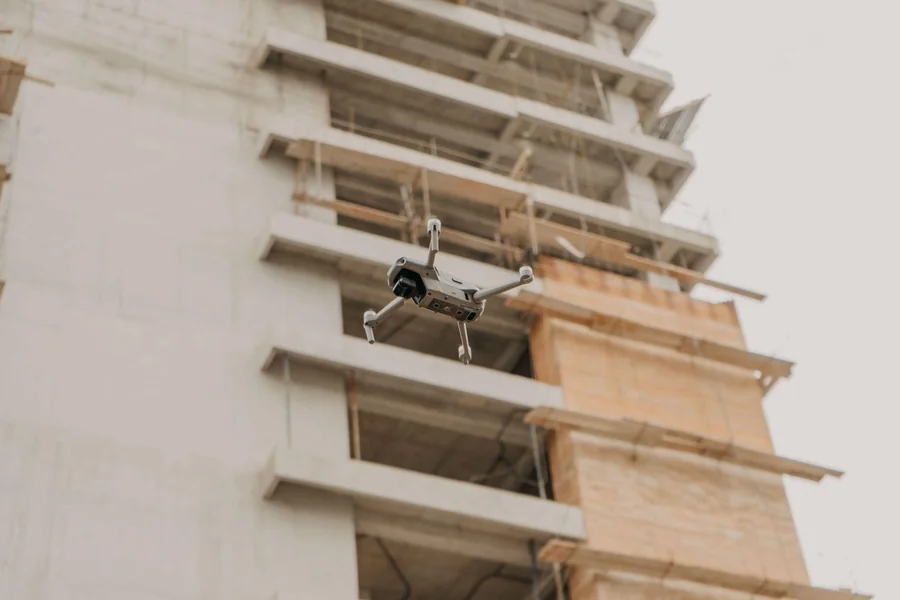
Drone technology has moved well beyond the hobbyist market. Across Australia, industries are discovering that unmanned aerial vehicles solve real operational problems, and that’s creating genuine career paths for skilled pilots. Whether you’re drawn to adrenaline-filled emergency response work or prefer the steady demand of infrastructure inspection, there’s likely a niche suited to your interests.
For anyone considering this career shift, enrolling in one of the many drone pilot courses now available is often the first practical step. These programs teach the regulatory knowledge, flight skills, and safety protocols needed to operate commercially, and they open doors into sectors that didn’t exist a decade ago.
1. Search and Rescue Operations
Few applications showcase drone technology’s value as clearly as search and rescue. When someone goes missing in rugged bushland or a disaster strikes a remote community, every minute counts. Drones can be deployed within minutes, covering terrain that would take ground teams hours to search on foot. Thermal imaging cameras help locate missing persons even in low visibility, while real-time video feeds let first responders make faster, better-informed decisions. Compared to helicopter searches, drone operations cost a fraction of the price, making this capability accessible to smaller emergency services and volunteer organisations alike.
2. Infrastructure and Utilities Inspection
Maintaining Australia’s sprawling infrastructure network has traditionally meant sending workers up towers, across bridges, and along pipelines, often at considerable risk. Drones now handle much of this inspection work instead. Power line and pipeline inspections, bridge and building facade assessments, telecommunications tower checks, and wind turbine surveys can all be conducted remotely, with high-resolution cameras capturing defects that might otherwise go unnoticed. This shift doesn’t just reduce injury risk; it also allows utility companies to inspect assets more frequently and catch problems before they become costly failures.
3. Agriculture and Environmental Monitoring
Australian farmers are increasingly turning to aerial data to manage sprawling properties more efficiently. Drones support precision agriculture by assessing crop health, identifying irrigation issues, and guiding land management decisions with far greater accuracy than manual inspection. Beyond the farm gate, drones play a growing role in environmental conservation, tracking wildlife populations and monitoring fragile ecosystems without the disturbance that ground access can cause. They’ve also become valuable tools for disaster response, helping assess flood or bushfire damage quickly and safely.
4. Construction and Real Estate
The construction and property sectors have embraced drones for both practical and promotional purposes. On active building sites, drones provide aerial perspectives for site monitoring and project documentation, helping managers track progress across large-scale developments without constant physical walkthroughs.
Before ground is even broken, drones assist with pre-construction surveys and site assessments, giving planners a clearer picture of the land. On the marketing side, real estate agents increasingly rely on compelling aerial photography and video to showcase properties, particularly larger estates where ground-level shots simply can’t capture the full picture.
5. Cinematography and Film Production
Australia’s film and television industry has found a reliable new tool in drone cinematography. Where a helicopter or crane shot once required significant budget and crew, a single pilot can now capture dynamic aerial sequences at a fraction of the cost. This affordability has opened up sophisticated camera angles to independent filmmakers who previously couldn’t justify the expense. Streaming platforms, hungry for visually striking content, are only accelerating demand, giving skilled drone operators steady work across commercials, documentaries, and scripted productions.
Taking Flight in a New Career
These five industries represent just a sample of where drone expertise is in demand. As regulations mature and technology improves, new applications will likely continue to emerge. For those ready to get started, proper training remains the foundation of a successful transition into this growing field.