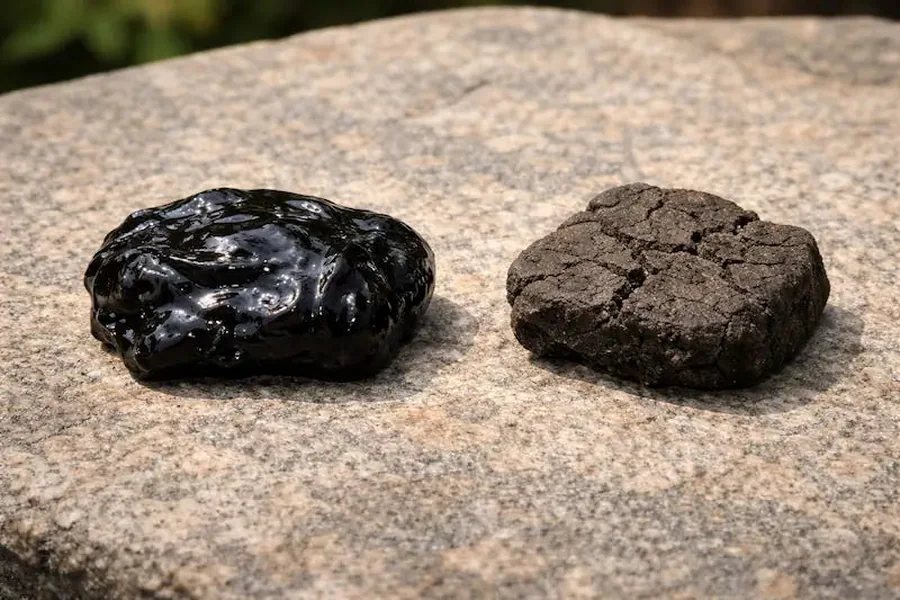
Shilajit is a naturally occurring substance found in mountainous regions, particularly the Himalayas. It develops over long periods as organic matter breaks down and interacts with rocks. Traditionally used in Ayurvedic practices, shilajit is now sold in resin, powder and capsule forms. However, differences in sourcing, processing and quality control can make it difficult for buyers to assess product authenticity.
When searching for shilajeet qatar, consumers may encounter products with different prices, ingredient claims and packaging. Understanding the source, manufacturing details, laboratory testing and safety information can help buyers make more informed decisions. Since appearance and traditional descriptions alone cannot establish purity, checking reliable documentation is essential before purchasing a supplement.
1. Check the Source and Origin
Authentic shilajit is commonly associated with mountainous regions, including the Himalayas. However, a claim of Himalayan origin does not automatically prove that a product is genuine or safe.
Check whether the manufacturer provides information about the geographical source, raw material suppliers and processing methods. Reliable product information should explain where the ingredient comes from and how it is prepared for consumption.
Be cautious of sellers who use terms such as “Himalayan,” “rare” or “100% natural” without providing supporting details. These descriptions alone cannot establish authenticity, purity or quality.
2. Understand the Importance of Purification
Raw shilajit can contain unwanted substances, including heavy metals and microbial contaminants. Proper purification and quality testing are therefore essential considerations when evaluating a supplement.
Look for products that clearly state whether the shilajit has been purified and provide information about their quality-control procedures. Avoid consuming raw material collected directly from rocks, as its safety cannot be established by appearance alone.
Purification is an important step, but it should not be treated as proof that every contaminant has been removed. Independent laboratory testing provides more useful evidence about the finished product’s composition and safety.
3. Look for Independent Laboratory Testing
Laboratory testing is one of the most important checks when purchasing shilajit. Because its composition can vary, visual inspection and marketing claims cannot reliably establish whether a product is safe for consumption.
Ideally, look for a recent Certificate of Analysis (COA) issued by an independent laboratory. The report should identify the product or batch tested and provide results for relevant contaminants.
Pay particular attention to:
- Heavy metals: Testing for lead, arsenic, cadmium and mercury.
- Microbial contamination: Checks for potentially harmful microorganisms.
- Ingredient identity: Evidence that the material matches the ingredient described on the label.
- Composition: Information about relevant constituents, such as fulvic acid, where measured.
Check whether the batch number on the report matches the product you intend to purchase. A generic certificate without clear product identification may provide limited reassurance.
4. Examine the Ingredients and Product Label
Read the complete ingredient list before buying. A product should clearly identify shilajit as an ingredient and disclose other substances included in the formulation.
If you are purchasing capsules or tablets, check for fillers, binders and other added ingredients. For resin products, review the stated serving size, storage instructions and recommended usage.
Some products highlight fulvic acid content. Although fulvic acid is one component associated with shilajit, its presence alone does not prove that a product is authentic or free from contaminants.
Be cautious of labels that make dramatic promises about testosterone, stamina, fertility or disease treatment. Research into shilajit’s health effects remains limited, and supplement claims should not be interpreted as guarantees of results.
5. Do Not Rely on Home Tests Alone
Online buying guides sometimes suggest testing shilajit by dissolving it in water, heating it or examining its texture. While these observations may describe certain physical characteristics, they cannot establish the product’s chemical composition or safety.
A dark colour, sticky consistency or ability to dissolve does not prove that a sample is genuine. Similarly, a product that behaves as expected in a home test could still contain contaminants.
Use the manufacturer’s documentation and independent laboratory reports as more meaningful checks. If reliable testing information is unavailable, consider choosing a different product rather than relying on appearance or informal testing methods.
6. Compare Packaging, Pricing and Seller Information
Packaging can provide useful clues about a seller’s transparency. Look for a sealed container, clear ingredient information, a batch or lot number, an expiry date and identifiable manufacturer or distributor details.
Compare prices carefully, but do not assume that the most expensive product is automatically the best. Large discounts and premium packaging do not establish authenticity either.
When evaluating shilajeet qatar listings, review the seller’s contact information, return policy, product documentation and storage instructions. If a seller cannot explain the product’s origin or provide credible quality information, exercise caution.
7. Understand Safety Before Using Shilajit
Even a product marketed as pure or natural may not be suitable for everyone. Shilajit supplements can cause adverse effects, and evidence supporting many advertised benefits remains limited.
People who are pregnant or breastfeeding, have existing medical conditions or take medication should consult a qualified healthcare professional before using shilajit. Seek medical advice if you experience unexpected symptoms after taking a supplement.
Follow the product’s directions and avoid increasing the serving size in pursuit of faster results. Shilajit should not replace prescribed treatment or be used to manage a medical condition without professional guidance.
Conclusion
Identifying a suitable shilajit supplement requires more than checking its colour, texture or advertised origin. Buyers should examine the source, purification process, ingredient list, independent laboratory testing and seller information before making a decision. When comparing original salajeet, prioritise verifiable quality and safety information over unsupported claims.
Kuwa Supplements is an online wellness retailer operated by Kuwa Food Supplements Trading LLC, a Dubai-based company serving customers across the Gulf Cooperation Council region, including Qatar. Its website features nutritional supplements and personal care products. Consumers can review the information available for individual products, including ingredients, usage instructions and purchasing terms, before deciding whether a product meets their requirements.