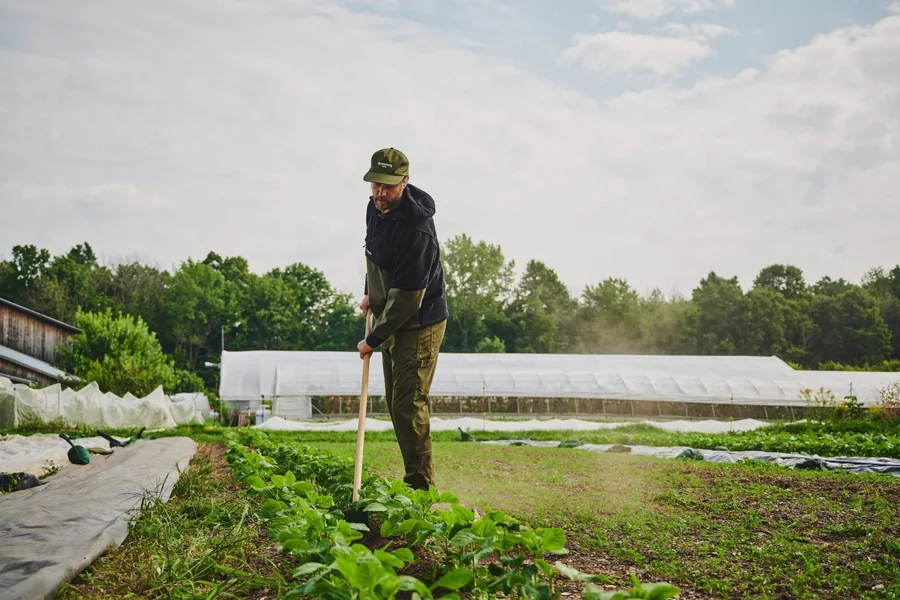
A market garden can start with just a few crops and a small customer base, but as the business grows, so does the work that happens after harvest. Washing, sorting, and packing fresh produce can quickly become difficult when there is no dedicated space to keep everything organized. Working with an agricultural pole barn contractor can help farmers plan a practical space that makes these daily tasks easier to manage. With the right setup, growers can protect produce quality, prepare orders more efficiently, and spend less time dealing with unnecessary clutter.
Understand What Your Farm Needs After Harvest
Before setting up a wash and pack area, take a close look at what happens on your farm once the crops are harvested. Consider the types of produce you grow, how much you harvest each day, and whether you sell at farmers’ markets, supply local stores, or fulfill direct customer orders. Understanding these needs helps you create a workspace that keeps produce moving smoothly instead of turning harvest days into a stressful juggling act.
Create a Layout That Keeps Work Moving
A good wash and pack layout should let produce move naturally from the harvest bins to washing, sorting, packing, and storage without unnecessary backtracking. Keep frequently used tools within easy reach, allow enough room for workers to move around, and plan for proper drainage and easy-to-clean surfaces. When everything has a clear place, your team can handle busy harvest days with less confusion and get orders ready faster.
Choose Equipment That Fits Your Growing Operation
You do not need to invest in expensive equipment right away, but having the right tools can make washing and packing produce much easier. Start with practical essentials like wash tanks, sturdy worktables, drying racks, scales, and reusable bins that suit the crops you grow and the volume you handle. As your farm expands, you can add equipment that saves time and keeps your daily workflow running smoothly.
Plan for Food Safety and Clean Working Conditions
Keeping your wash and pack area clean is essential for protecting your produce and earning customers’ trust. Plan for safe water access, proper drainage, washable surfaces, and separate areas for dirty produce and cleaned crops to reduce the risk of contamination. A well-organized workspace also makes daily cleaning easier, helping you maintain good handling practices even during the busiest harvest seasons.
Make Storage and Packing Easier During Busy Harvests
Harvest days can become very busy especially when many orders must be completed and fresh produce must be packed fast. I know how hard it can be to keep everything in order. Reserve specific spots, for packaging supplies, clean containers, finished orders and short‑term produce storage so everything stays tidy and easy to locate. With a bit of planning you will spend time looking for supplies and more time preparing fresh produce for your customers.
Design a Building That Can Grow with Your Farm
Your farm may have modest needs today, but a growing customer base can quickly change how much space you need for washing, packing, and storing produce. Planning a building with future growth in mind helps you avoid costly renovations and keeps your daily operations running smoothly as the business expands.
Leave Room for Future Expansion
Think about how your harvest volume might change over the next few years and whether you plan to add new crops or serve more customers. A little extra floor space can make it easier to accommodate additional worktables, storage shelves, or packing stations when demand increases. Working with a pole barn contractor can help you explore building layouts that suit your current operation while leaving room for future needs.
Create Flexible Work Areas
Design your building so that different areas can do than one thing when needed. For example use a workspace for sorting fruit during harvest and, for getting orders at other times. Keep the layout simple by making sure there is space to move machines move tables around and change storage as your work changes. Spaces that can change make it easier to adjust without having to change everything every time the business gets bigger.
Plan for Essential Utilities and Ventilation
Think about water supply, drainage, electrical outlets, lighting and ventilation before construction starts. If you get those details early washing and packing will feel easier and you will not have to make big changes later. Talk with the building team, about the needs; make sure the building can hold the equipment and give the working conditions your farm requires.
Consider Additional Farm Functions
Your agricultural building might one day need to do more than just wash and pack crops. As you add equipment or grow your product line you’ll likely need more space. Maybe you’ll need a spot, for stacking harvest bins.. A place where tools stay neat and easy to find. You might also want a safe area to protect your supplies from rain or snow. Thinking about these needs on can save you trouble later. It helps you use your building smarter as your farm grows.
Set a Realistic Budget Before Construction Begins
Before construction begins figure out how much you can comfortably invest in your wash and pack space, including the building, plumbing, drainage, electrical work and essential equipment. It is tempting to focus on costs alone but choosing durable materials and planning for future needs can help you avoid expensive changes later. A realistic budget lets you prioritize what matters most today while keeping your farms long-term growth in mind.
Conclusion
A well-planned wash and pack space can make harvest days less stressful, keep produce handling organized, and help your market garden grow into a stronger business. By thinking ahead about your layout, equipment, storage, and budget, you can create a workspace that meets your needs today and adapts as your farm expands. Working with an experienced agricultural pole barn contractor can help you build a practical space that supports your farm’s long-term success.