
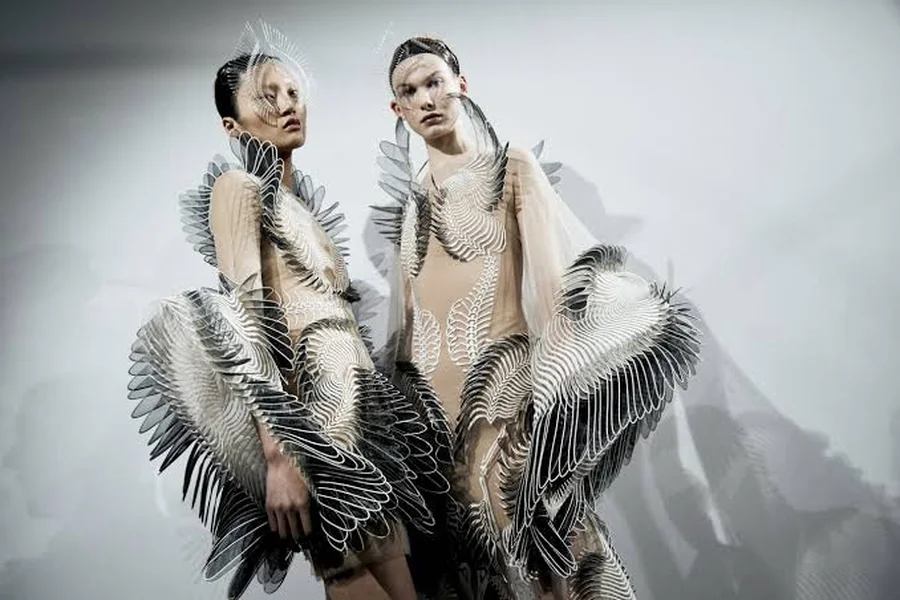
Visual design is constantly changing as creators discover new ways to communicate ideas, tell stories, and connect with audiences. What once required specialized equipment, extensive technical knowledge, or large creative teams can now often be explored with accessible digital tools. This shift has given individuals more freedom to experiment and develop visual styles that feel personal and distinctive.
Modern creators are not simply following established design rules. They are combining different techniques, experimenting with technology, and finding new ways to make familiar formats more engaging. From social media graphics and digital illustrations to interactive content and AI-assisted workflows, today’s visual design landscape offers more creative possibilities than ever.
Creativity Is Becoming More Accessible
One of the biggest changes in visual design is the growing accessibility of creative tools. Beginners can now experiment with layouts, typography, photo editing, animation, and illustration without spending years learning complicated software.
Templates, drag-and-drop editors, and automated features give new creators a practical starting point. Someone launching a small online business, for example, can create promotional graphics without needing to hire a full design team for every piece of content.
This accessibility does not eliminate the value of design knowledge. Instead, it allows more people to practice those skills and discover their own visual preferences through experimentation.
Creators Are Developing More Distinctive Styles
With millions of images and graphics appearing online every day, standing out has become increasingly important. Modern creators are responding by developing visual identities that feel more personal rather than relying solely on common design trends.
Small Details Can Build Recognition
A distinctive style can come from recurring choices in typography, color, composition, or imagery. A creator might consistently use bold headlines, unusual cropping, soft backgrounds, or a particular color combination.
These details may seem minor individually, but repeated use can make content recognizable. When followers can identify a creator’s work before seeing the account name, the visual identity is doing its job.
Technology Is Expanding Typography
Typography has become much more experimental in digital design. Creators are no longer limited to choosing a font and adjusting its size. They can manipulate letters, combine textures with text, create animated typography, and explore unusual visual treatments.
For creators looking to experiment with distinctive lettering, an AI text effects generator can help explore different treatments and styles before deciding which direction best fits a project.
Effects Should Still Serve the Message
Creative typography works best when it supports the purpose of the design. A dramatic text treatment might be perfect for a music event poster, while a simple and readable style may be better for an educational graphic.
Creators should therefore think about audience and context before adding effects. Visual experimentation becomes more effective when it has a clear purpose rather than simply adding decoration.
Social Media Is Influencing Design Trends
Social media has changed the way visual content is created and consumed. People often encounter graphics for only a few seconds while scrolling, which means creators need to communicate quickly.
This has encouraged the use of bold headlines, strong contrast, unusual compositions, and easily recognizable visual patterns. Vertical formats have also become increasingly important as creators adapt their designs to mobile screens.
At the same time, social media gives creators immediate feedback. Engagement, comments, shares, and other reactions can provide clues about which visual approaches connect with an audience.
Creators Are Mixing Different Media
Modern visual design is becoming less restricted to a single format. A creator might combine photography, illustration, video, animation, typography, and sound within one project.
For example, a product announcement could begin as a static graphic, become a short animated post, and then be adapted into a vertical video. The central visual concept remains consistent while the format changes to suit different platforms.
Blending Styles Creates New Possibilities
Combining different media can also produce unexpected results. A hand-drawn illustration might be placed over a photograph, while animated text adds movement to an otherwise static composition.
These combinations can make familiar content feel fresh. They also encourage creators to learn skills outside their traditional areas of expertise.
AI Is Becoming Part of the Creative Workflow
Artificial intelligence is another major influence on modern visual design. Rather than being limited to generating finished images, AI can assist with brainstorming, editing, concept development, and repetitive production tasks.
A designer working on a campaign might use AI to generate several initial concepts, explore different visual directions, or create variations of an existing idea. The designer can then select the strongest option and refine it manually.
This approach allows creators to spend more time on creative decisions while reducing the time required for certain technical tasks.
Experimentation Is Replacing Perfectionism
Traditional creative processes often encouraged creators to spend a significant amount of time refining one idea before showing it to others. Digital tools make experimentation much easier because versions can be duplicated, edited, and discarded quickly.
A creator designing a social media campaign might test several color palettes, layouts, and headlines before deciding which combination works best. Instead of trying to predict the perfect design immediately, they can learn through comparison.
This mindset can lead to stronger results because unsuccessful ideas become part of the creative process rather than being treated as wasted effort.
Design Is Becoming More Interactive
Visual design is also moving beyond static images. Interactive websites, animated graphics, short-form videos, and responsive experiences allow audiences to engage with content rather than simply look at it.
For example, a website might use subtle animations to guide visitors toward important information. An online portfolio could allow users to explore projects through interactive elements instead of presenting them as a simple collection of images.
These experiences require creators to think about movement, timing, and user behavior in addition to traditional visual principles.
Personal Expression Matters More Than Following Every Trend
Trends can provide inspiration, but modern creators are increasingly finding ways to adapt them instead of copying them completely. A popular visual style can be a useful starting point, but adding personal elements makes the result more distinctive.
Creators can experiment with current techniques while maintaining their own color choices, typography, subject matter, or storytelling approach. This balance helps content feel contemporary without becoming indistinguishable from everything else online.
Conclusion
Modern creators are redefining visual design by combining technology, experimentation, personal expression, and different forms of media. Accessible tools make creative work easier to explore, while AI and interactive formats open new possibilities. The strongest approach is not to follow every trend, but to use new tools thoughtfully while developing a visual style that feels authentic and memorable.
