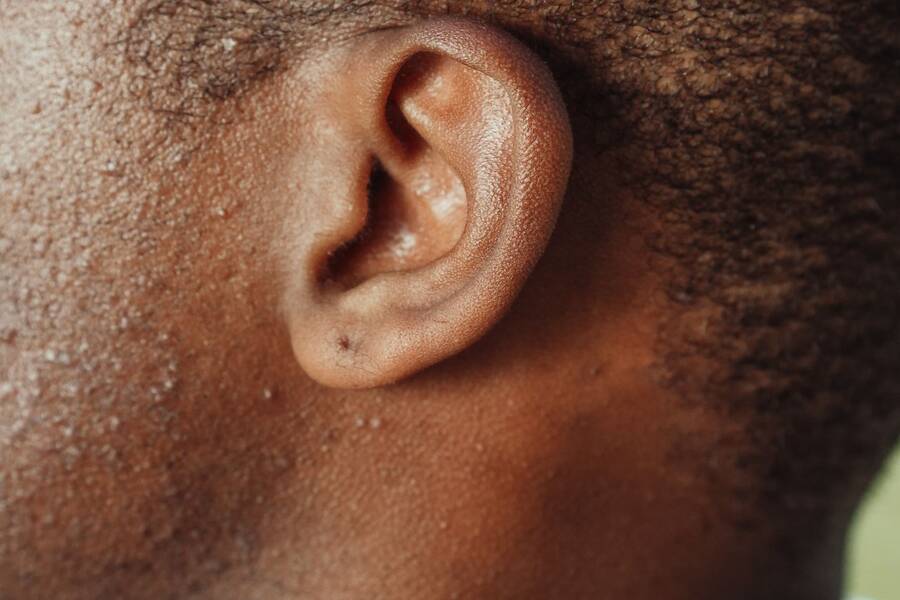
A pair of custom in-the-ear shells costs about the same as a decent laptop, and roughly one in five people who try them asks for a different style within the first year. That second number isn’t official, it’s what happens when buyers pick a hearing aid by how it looks instead of how their ear is shaped. The shell either disappears into your ear or fights it all day.
Here’s the honest version. In-the-ear models are the middle child of hearing aid styles: bigger than the invisible ones, smaller than the behind-the-ear workhorses, easier to handle than both for a lot of people over sixty. If your hearing loss sits in the mild to severe range and you want one piece instead of two, they’re worth a serious look. Most buyers in this category also compare ITE hearing aids against the tiny completely-in-canal option and discover the trade is handling comfort for discretion.
What follows is the part the brochure skips: who these shells genuinely suit, where they annoy people, and how to decide before you pay for a custom mold.
What an ITE hearing aid actually is
A single custom-molded unit that fills the bowl of your outer ear. All the electronics live inside that shell, so there’s no wire looping over your ear and nothing sitting behind it. It comes in colors that range from skin tones to solid black, and a lot of buyers pick black on purpose.
Because the shell is built from an impression of your ear, fit is everything. A good mold sits flush, doesn’t whistle when you chew, and slips in with a thumb and forefinger. A mediocre mold squeals when you yawn and works its way loose by lunchtime. Same model, same brand, completely different experience, which is why the person taking your impression matters more than the spec sheet.
Most current ITE units handle Bluetooth streaming, rechargeable batteries, and phone-app volume control. That’s table stakes now, not a premium feature, so don’t let a salesperson frame it as one.
Who these shells suit, and who they frustrate
I’d steer anyone with dexterity trouble toward ITE and away from the micro styles. The shell is big enough to grip. Batteries are easier to swap, and on rechargeable models the whole thing drops into a cradle at night. If your fingers go numb in winter or arthritis makes small objects a punishment, that size difference is the whole ballgame.
They also work well for people who wear glasses, since there’s nothing competing for space behind the ear. Same story with masks, hats, and helmet straps.
Where they fall short: a chronically wet ear, a history of ear infections, or a very narrow canal can make a solid shell uncomfortable or impractical. Severe to profound loss usually needs more power and more venting than a shell this size can deliver. And if you need the deepest possible fit for cosmetic reasons, this isn’t that product. Nobody sees a well-fitted ITE from a normal conversation distance, but they will notice it in a profile photo.
According to the National Institutes of Health, hearing loss becomes more common with age and often develops gradually, which is exactly why so many first-time buyers walk in assuming they need the smallest device and walk out with a mid-size shell they can actually manage.
The fit ritual that decides everything
Custom shells are only as good as the impression. Here’s the sequence I’d insist on, whether you’re working with a local clinic or a chain.
- Real ear measurement, not just an audiogram. The fitter places a probe tube in your canal and measures what the aid actually delivers. If the clinic skips this, ask why. It’s the difference between a guess and a fit.
- An impression taken with a bite block. Your jaw moves when you talk and eat, and the canal changes shape. A mold made without that accounted for will whistle at dinner.
- A trial period you can actually use. Wear them to a noisy restaurant, a church service, and a phone call inside the first week. Not a quiet office.
- Free remakes in writing. Shells get remade all the time. Confirm the policy before you sign, not after the third adjustment.
Ask about the return window in days and get the number in writing. The U.S. Food and Drug Administration sets the rules for how hearing aids are sold and what sellers must disclose, and a seller who gets cagey about written terms is telling you something.
The daily grind nobody warns you about
Wax. It’s the boring answer to why your left aid keeps cutting out, and it’s the single most common reason a perfectly good shell starts sounding muffled. A little brush and a wax guard change solve most of it. Budget two minutes every morning.
Then there’s the occlusion effect. That’s the boomy, hollow sound of your own voice when your ear canal is plugged. A well-vented shell reduces it. A sealed one makes you sound like you’re talking inside a bucket, and some people never get used to that sensation. Mention it at the fitting stage, because venting is decided when the shell is designed, not after.
Battery life is the last daily tax. Rechargeables save you the fumbling, but they also mean a night in the dock and no spare in your pocket if you forget. Disposable batteries cost more over a year but a spare cell in your wallet has rescued more vacations than any charging case. I’d take rechargeable for the convenience and keep a disposable backup pair for travel, honestly, because the failure modes are different.
The Centers for Disease Control and Prevention covers noise exposure and hearing protection as a public health matter, and it’s worth reading before you assume your hearing loss is purely age-related. Loud job sites and decades of lawn mowers leave a mark too.
How to decide in one afternoon
Bring three questions to your appointment and don’t leave until you have answers.
First: what does my audiogram say, in plain terms, and does this shell cover that range with headroom? Second: if the fit isn’t right in thirty days, what happens and who pays? Third: can I see the shell in a mirror before we commit, so I know what the color and size actually look like on my ear?
Choosing a fitter works much like choosing expert spine care without getting lost in the system: you want clear answers before you commit. If the fitter can’t answer all three without checking a manual, find another fitter. The device is fine. The process is what separates a pair you wear every day from a pair in the nightstand drawer.
The bottom line on in-the-ear shells
ITE models earn their place for people with mild to severe loss who want one piece, easier handling, and nothing behind the ear. They lose to other styles for very deep canals, very profound loss, and anyone chasing total invisibility. The shell is only half the purchase. The impression, the real ear measurement, and the remake policy carry the other half.
Before you sign anything, do one thing: ask to see the fitter’s trial and remake terms in writing. That single page tells you more about how the next few years will go than any brand name on the box.