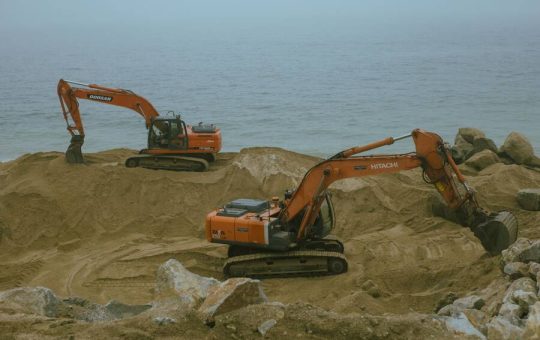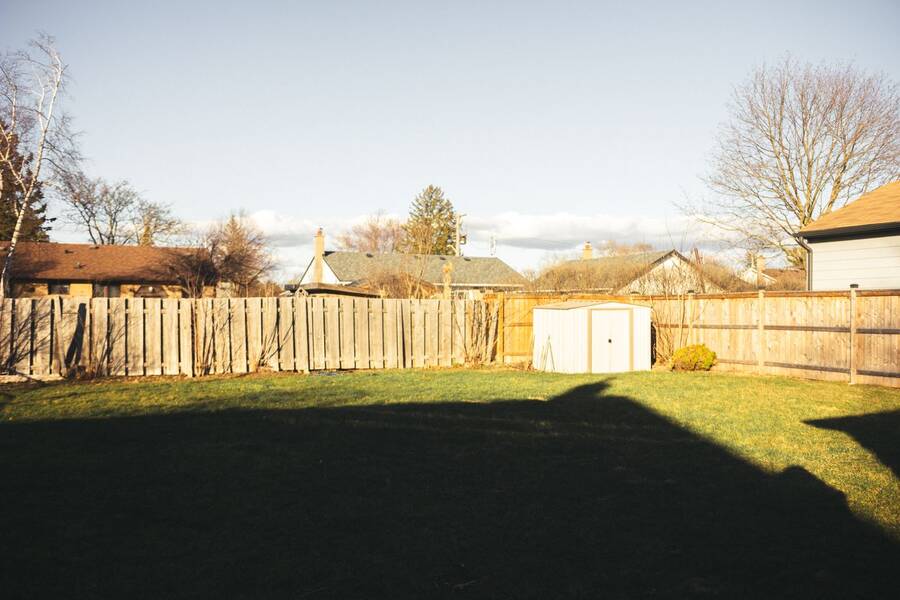
Six linear feet. That is the number that turned a neighbor’s fence quote from fine into forgettable. He had budgeted for a straight run of vinyl along a flat lot, then the crew hit a tree stump and a buried sprinkler line, and the number moved by more than a thousand dollars before a single post went in. The fence itself never changed. The ground under it did.
That story is why pricing a privacy fence by the foot is a trap. Linear footage is where every estimate starts, and it is the least interesting number in the conversation. What you actually pay for is the intersection of material, terrain, height, and the small decisions you make at the kitchen table before anyone shows up with a clipboard. A good privacy fence cost guide should walk you through those variables instead of handing you one vague range and wishing you luck.
So here is the walkthrough I wish every homeowner got first. You will see what each material really costs you over its life, which site conditions quietly inflate labor, why the cheapest bid is often the most expensive fence, and how to write a comparison worksheet that makes three contractors answer the same question. By the end you should be able to look at any quote and know exactly which lines are negotiable and which ones are just physics.
Why the Per-Foot Number Lies to You
Ask five contractors what a privacy fence costs and you will get five answers that do not compare. One quotes cedar at six feet with posts every eight feet. Another quotes treated pine at six feet with posts every six feet and no gate. Same “per foot” language, wildly different fence. When you strip the marketing away, every privacy fence price is built from four slabs of cost.
- Materials. Pickets, rails, posts, concrete, caps, hardware, and the fasteners nobody mentions until they rust.
- Labor. Digging, setting, cutting, and cleanup. This is where terrain and access show up.
- Site work. Stump removal, grading, hauling off old fence, working around a pool or a shed.
- Permits and paperwork. Some municipalities require a permit and a plot plan review before you break ground.
Notice what is missing: the size of the yard. A small lot with a slope, a retaining wall, and two gates can cost more than a big flat lot with one straight run. Square footage feels like the fair way to price a project. It is not, and any contractor who leads with it is either simplifying for a phone call or hoping you will not ask questions.
My take: ignore every per-foot figure you hear on a first call. Ask instead what is included in that number, and write down the answer. The moment you start comparing inclusions instead of totals, the quotes suddenly make sense.
The Material Decision That Sets Your Floor
Material is the single biggest lever on your budget, and the gap between options is larger than most people expect. Wood, vinyl, aluminum, and chain link all show up in privacy fencing, but they behave very differently over a decade. Fence work is also a good moment to look at the rest of the yard, and these fall lawn repair and maintenance tips pair well with a new install.
Material
Upfront Cost
Upkeep Reality
Best Fit
Treated pine
Lowest
Stain or seal every few years; boards warp and gray
Tight budgets, shorter horizons
Cedar
Moderate
Weathers gracefully, still wants periodic sealing
Homeowners who want the wood look to last
Vinyl
Moderate to high
Rinse with a hose, almost nothing else
People who will never own a paintbrush
Aluminum
High
Essentially none, but it is not fully private
Pool areas and view corridors
The trap with wood is that the sticker price is the entry fee, not the total. Stain, sealer, replacement pickets, and your own Saturdays all count. Vinyl costs more on day one and asks almost nothing after that. If you plan to stay in the house past the ten-year mark, I would pick vinyl nearly every time, even with the higher opening number. If you are selling in a couple of years, stained pine does the job and nobody at the closing table asks what the pickets are made of.
Height plays into this too. A six-foot fence needs sturdier posts and deeper footings than a four-foot one, so the same linear footage can carry two very different prices. Gates compound it. Every gate is a small engineering project with hinges, a latch, and a post built to take a beating.
Site Conditions That Quietly Raise the Price
This is the part of the estimate where honest contractors earn their keep and cheap ones get exposed later. According to the Bureau of Labor Statistics, construction work of this kind carries real injury and safety exposure, which is one reason licensed crews cost more than a guy with a truck. That premium buys you insurance and a crew that knows how to dig near gas lines.
Here is what actually moves labor on a residential lot. A slope means stepped panels or longer posts and more concrete. Rocky ground turns an auger into a pickaxe. An old fence to haul away adds disposal fees. Mature trees mean roots, and roots mean either a shifted post line or a design change. A pool, a septic field, or a buried irrigation system can force hand digging. None of these are scams. They are conditions you can see and a bidder can measure, which is precisely why a good contractor walks the property instead of quoting from a satellite photo.
How to Compare Three Quotes Without Getting Played
Here is the method I hand to anyone pricing a fence. It takes one evening and it saves people thousands.
- Draw your fence line on paper. Mark gates, corners, and anything the fence has to work around, like a shed or a utility box.
- Write one spec sheet. Material, height, post spacing, gate count, and whether old fence removal is included. Send the same sheet to all three bidders.
- Ask each bidder to mark up the same drawing. A quote without a drawing is a guess with a signature line.
- Demand a line-item breakdown. Materials, labor, permits, disposal. A single lump sum hides everything you need to negotiate.
- Check license and insurance in writing. The Federal Trade Commission publishes plain-language advice on hiring contractors and spotting the warning signs, and it is worth ten minutes before you sign.
The detail that separates a real quote from a hopeful one: a written timeline with a start window and a completion date, plus a clear statement of who pulls the permit. If a contractor shrugs at that, you have learned something useful for free.
What the Price Actually Holds
Fence costs in the United States track the housing stock around them. The U.S. Census Bureau keeps the data on homeownership and new construction, and the pattern is simple and stubborn: neighborhoods with tighter lots and more fences keep fencing crews busy, and busy crews price accordingly. You will pay more in a metro with a long contractor waitlist than in a rural county with three crews competing for the same job. That is not unfair. It is supply and demand with a post hole digger.
So budget for the fence you want, add a 10 to 15 percent cushion for whatever the ground hands you, and expect the final number to land somewhere between your second and third bid. Anyone quoting dramatically under the others is either cutting corners on posts, skipping insurance, or planning to discover a surprise once your old fence is in the dumpster.
The six feet of stump cost my neighbor real money, but he learned the lesson cheaply compared with some. Walk your lot. Write your spec. Compare the inclusions, not the totals. Your fence will outlive the sticker shock, and your Saturdays will stay yours, which is the whole point of paying someone else to dig.