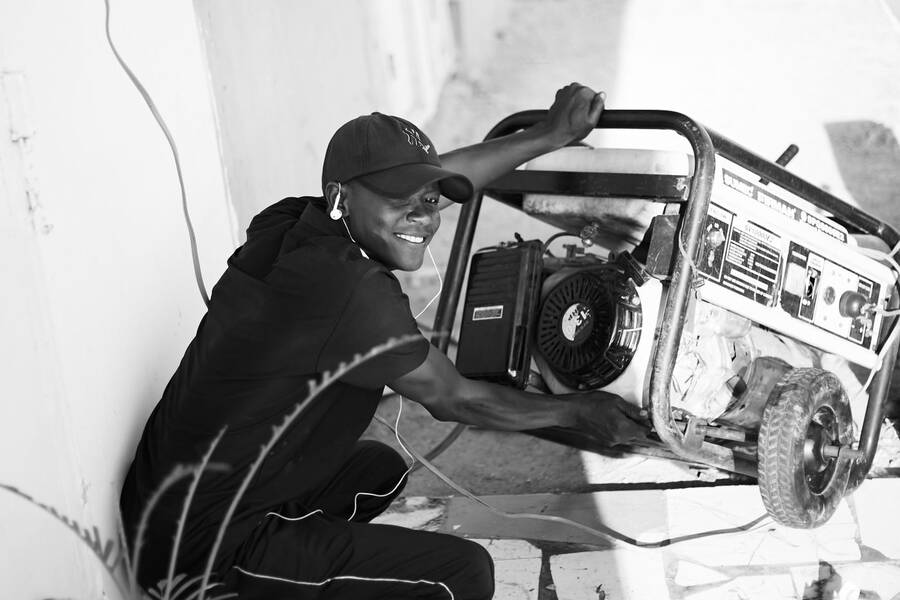
Two in the morning, the storm knocks the grid out, your generator spins up, runs for ninety seconds, and quits. The panel shows four digits and nothing else. If that scene sounds familiar, you’re in good company. Most homeowners I talk to never touch the controller until the night it matters, and then they’re squinting at a blinking number with a flashlight.
Here’s the short version before we get into the weeds. A standby unit watches its own engine the same way a car does, and when something falls outside the normal range it shuts itself down on purpose. The number on the screen tells you which system tripped. Learning to read those codes turns a terrifying outage into a five minute check, and when the panel is a Generac, the codes follow a consistent pattern you can get familiar with fast. Homeowners who have looked up generac generator codes before know the difference between a nuisance alarm and a real failure is usually one simple inspection. Below is how I’d walk through each one, in the order I’d actually do it.
One rule up front. Never open the enclosure with the unit in AUTO and the utility feed live. Flip the controller to OFF first. That single habit prevents most of the injuries people get while poking at a generator in the dark.
What the code is actually telling you
A standby generator isn’t one machine. It’s an engine, an alternator, a fuel system, a battery, and a controller that referees all of them. The controller monitors engine speed, oil pressure, battery voltage, and output current dozens of times per second. When a reading crosses a threshold, the controller logs a fault and shuts the engine down to protect it. That’s why the lights go out even though nothing visibly broke.
Codes stack up in families. Codes in the 1100 range are about starting. The 1200s are about running too fast. The 1300s are about oil. The 1500s are about the controller losing the signal that tells it the engine is spinning. Once you know the family, you already know where to look.
The first digit group is a map, and the last digits are the address. Two things will save you a service call. The first is a paper log taped inside the enclosure door where you write down every code, the date, and the weather. The second is reading the owner’s manual for your specific model, because Generac has revised controllers several times and the button sequence for clearing an alarm has changed with them. For homes in storm country, the generator is only one piece of a wider plan for disaster preparedness and emergency training.
Why overcrank is the most common 2 AM failure
A code that starts with 11 usually means the engine tried to start and didn’t catch. The controller typically allows two automatic attempts before it gives up and locks out. Nine times out of ten, the culprit is fuel.
Walk outside and find the gas valve. If the handle runs parallel to the pipe, gas is flowing. If it runs across the pipe, the valve is closed. Sounds obvious until you remember that a plumber or the gas company may have shut it off during a service visit six months ago and never told you. After that, check the battery. A weak battery spins the engine too slowly to fire, and cold weather makes that worse.
If the fuel is on and the battery is fresh and the unit still won’t catch, stop resetting it. Repeated cranking floods the cylinders with unburned fuel, and that’s a problem you don’t want to compound. Call the dealer.
Overspeed, RPM loss, and the battery you forgot about
Overspeed codes in the 1200s mean the controller saw the engine running faster than it should. This is rarely something a homeowner fixes. A faulty ignition coil or a governor issue sits behind that code, and both need a technician with a meter and a service manual.
RPM sense loss codes, the 1500 series, are the trickiest. The controller is essentially saying “I can’t confirm the engine is turning.” In my experience, a weak battery or a tired starter causes most of these, especially on units that are five or more years old. You can often clear the alarm by switching the controller to OFF, pressing ENTER twice, then flipping back to AUTO. If utility power is out, the unit should attempt a restart within a minute or two.
Then check the battery menu on the controller. Most modern Generac panels include a battery status screen under the main menu. If it reads check battery, replace it. A standard group size battery from any auto parts store will do, and swapping one takes about ten minutes with a wrench.
The step by step reset routine
Before you call anyone, run this sequence. It takes fifteen minutes and resolves a surprising share of nuisance faults.
- Write down the exact code and the time it appeared.
- Turn the controller to OFF and confirm the display reads switched to off.
- Verify the gas valve is open and the handle runs parallel to the pipe.
- Check the oil with the dipstick, cold, on a level surface. Add oil to the full mark if needed. Never overfill.
- Open the battery menu and read the status. Replace a weak battery before doing anything else.
- Clear the alarm with the ENTER button sequence for your controller, then return the dial to AUTO.
- Simulate an outage by pulling the main breaker in your transfer switch, and watch whether the unit starts and carries the load.
That last step matters. A generator that starts but won’t hold a load is a different problem than one that won’t start at all, and knowing which one you have saves the tech a trip.
When to stop poking and call a pro
Low oil pressure codes in the 1300s deserve respect. Check the level first, top it off, and try again. If the code returns with a full crankcase, shut it down and leave it down. Running an engine with genuine low oil pressure can destroy it in minutes, and engine replacement costs more than a decade of maintenance. Oil pressure faults are the one code I never tell anyone to clear twice.
Electrical work on a standby system also belongs to licensed professionals. The National Electrical Code treats these installations as permanent wiring, and the National Fire Protection Association publishes the standard that governs them. Faulty transfer switch wiring is a real fire risk, and it’s not a weekend project. Inside the unit, testing the insulation resistance of the windings, checking the alternator output, and diagnosing governor faults are bench level tasks.
Larger generators also sit under product safety standards that apply to stationary engine driven systems. The safety certification organization UL maintains the listing requirements many manufacturers follow, which is why replacement parts need to match the original spec. A knockoff starter or ignition module can throw new codes and void your coverage.
Keeping the 2 AM call from happening again
Most of the faults in this article are maintenance failures in disguise. A battery that’s three winters old, oil that sat through a hot summer, a fuel valve nobody checked, a starter that cranked slower each month. None of that shows up until you need the generator, and by then it’s too late to fix it.
Two habits cover the gap. Run a manual exercise every month, not just the automatic weekly test, and actually listen to it. A healthy unit starts within a few seconds and settles into a steady hum. A unit that cranks longer or hunts at idle is telling you something. Second, book a professional service once a year, ideally in early fall before storm season. Annual service catches weak batteries, clogged air filters, and loose connections while the weather is still calm.
Your generator is a machine that sits idle for eleven months and then has to perform perfectly in the worst conditions of the year. Treat the code on the screen as a friendly heads up rather than a disaster, log it, run the checklist, and hand the hard stuff to someone licensed. What’s the last code your panel showed, and did you ever find out what caused it?