Most people book a hotel room by price and star rating, then spend the first morning of vacation staring at a parking lot. The view you pick does more for a trip than the thread count on the sheets, and it costs you almost nothing to think about before you click book. Get the view right and your room becomes part of the trip. Get it wrong and you are drawing the curtains on a wall of HVAC units.
Here is the short version: match the view to how you will actually use the room, not to how the marketing photos look. A river view is wasted on someone who leaves at 7 a.m. and returns at midnight. A pool view is misery for a light sleeper who turns in early. When you sort through Spokane hotel accommodations, you will often see the same building split into cityside, poolside, and riverside categories, and that split is your first real decision.
I would take the water view nearly every time, and I will tell you exactly why over the next few sections. But first, a way to think about it that actually holds up when you are staring at a booking screen at 11 p.m.
What the View Actually Buys You
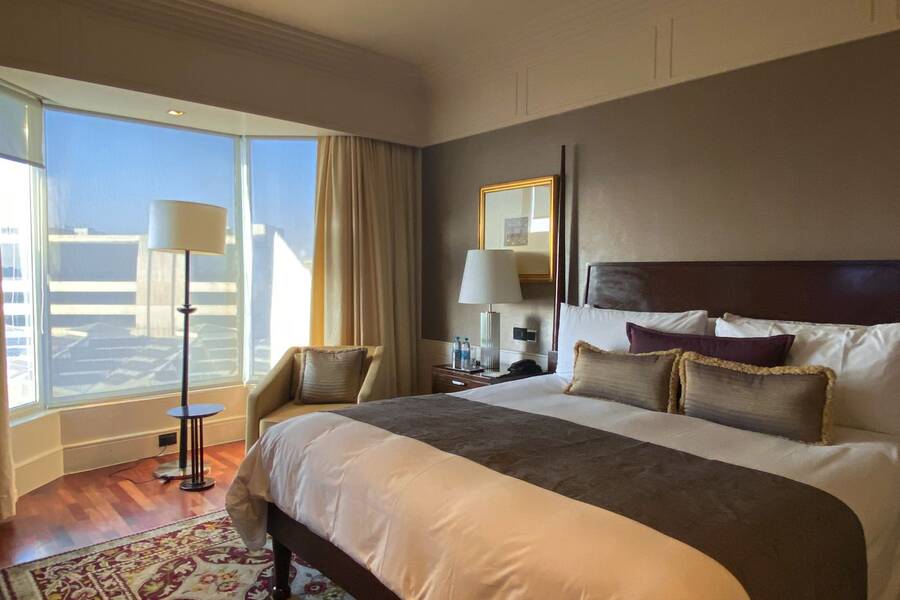
A view is not decoration. It sets the light in your room, the noise at 6 a.m., and how much time you spend on the balcony or by the window instead of scrolling your phone. A river view tends to come with trees, moving water, and a reason to sit still for ten minutes. A pool view tends to come with kids, splashing, and the smell of sunscreen. Neither is wrong. They just serve different travelers.
Think about the last hotel you stayed in. Did you open the curtains? If the answer is no, you have been paying for a view you never used. That is the whole problem in one sentence.
Poolside or Riverside: Pick by Your Sleep Schedule
This is the decision most people rush, and it is the one that ruins the most trips. Pool areas are loud in the afternoon and quiet by evening, but families with small kids tend to run late. If you are a light sleeper or you have an early flight, a poolside room on a ground floor can turn into a bad night.
Riverside rooms usually trade the splash noise for wind, birds, and the occasional train depending on the city. In Spokane, the river runs right through downtown, and the riverside stretches tend to feel quieter at night than the pool deck. I would book riverside for a couple’s trip or a work stay and poolside for a family with kids who will spend the afternoon in the water anyway.
The general rule: put your bed as far from the loudest amenity as your budget allows. You can always walk to the pool. You cannot walk away from it at 10 p.m.
Three Questions to Ask Before You Book
Call the front desk, or send a quick email, and ask these before you commit. It takes two minutes and it has saved me from some genuinely bad rooms.
- Which floor and which side? A river view on the first floor can mean a view of a hedge. Upper floors usually deliver the view you paid for.
- What is between the room and the view? A parking structure, a delivery lane, or a neighboring building can undercut a “city view” listing.
- Can I request a specific room category at booking? Some hotels let you lock in cityside, poolside, or riverside directly. Others assign at check-in.
If the person on the phone hesitates on that last one, assume you will get whatever is left. Book a category you would be happy with even on a bad day.
The Three-Layer Rule for Matching a Room to a Trip
I use a simple framework when I book, and it has cut my regret rate to near zero. I call it the Three-Layer Rule. You stack the trip, the room, and the view in that order, and you never let a lower layer override a higher one.
Layer one is the trip. Why are you there? A conference, a wedding, a weekend with the kids, a quiet anniversary. Write it down in five words or less. Layer two is the room. Bed size, kitchenette or not, how many people, and whether you need a pull-out couch. Layer three is the view. Only now do you pick cityside, poolside, or riverside.
Most people invert this and start with the view because it photographs well. That is how you end up in a beautiful riverside king when you needed two beds and a microwave for the kids. Get the first two layers right, then spend your upgrade money on the third.
What the Weather Does to Your View
Views are weather-dependent, and that is true anywhere with real seasons. Spokane sits in eastern Washington, where summers are dry and warm and winters are cold and often snowy. According to the National Weather Service, seasonal swings across the inland Northwest are wide, which means a river view in July looks nothing like the same view in January. If the stay is part of a longer drive, a guide to planning a weekend trip through Montana’s small towns can help you shape that first layer.
Summer is when a riverside room earns its price, with long evenings and a reason to keep the window open. Winter is when a city view with lit streets and snow on the rooftops does more for the mood. If you are booking for a holiday trip, ask what the view looks like after dark. Some are better at night than in daylight.
How to Book Without Getting Burned
Booking a room category is not the same as booking a room view, and this is where travelers get frustrated. Here is the practical sequence I follow:
- Decide your trip layer and your room layer first, then shop price.
- Book directly with the hotel when you can. It makes special requests easier to honor.
- Put the view request in the reservation notes and confirm it in a follow-up call.
- Ask about early check-in. Arriving early gives you first pick if the hotel assigns at the desk.
- Check the room before you unpack. It takes one minute and a polite ask to switch.
That last step matters more than people think. Front desks hold a few rooms back for exactly this situation, and a calm request at check-in goes further than a complaint at midnight. Walking into the room, opening the curtains, and deciding on the spot is the whole game.
Why I Keep Coming Back to the Water View
Here is my honest bias: I will pay extra for water every time. The reason is not romance. It is that a river or lake view gives you a reason to be in the room, and most trips are a mix of running around and collapsing. A view gives the collapse something to look at.
That is especially true in a city like Spokane, where the river is woven into downtown and the riverfront park draws people all year. If you want context on what surrounds the water, the National Park Service and state tourism resources are good starting points, and Washington’s official site at wa.gov points you to regional trip planning. None of that changes the core advice, though. Pick the room that matches your trip, then let the view be the reward.
The Room You Book Is the Trip You Remember
Views are one of the cheapest upgrades in travel and one of the most ignored. You already know how to check a star rating and a price. Now you know how to check the thing you will actually look at for three days. Stack your trip, your room, and your view in that order, and ask the hotel the three questions before you pay.
So what is your trip layer for this next stay? Write it in five words, then go find the room that matches. If the view lines up with your reasons for traveling, you will remember the room as part of the trip, not as the place you slept between activities.